










محمد محسن عبيدات
أبوحسان:
مشروع الأنشطة الخضراء خطوة لتعزيز صناعة مستدامة في الشمال
إربد
– نيروز – محمد محسن عبيدات
في خطوة
جديدة نحو صناعة مستدامة ومتقدمة، أعلن رئيس غرفة صناعة إربد، السيد هاني أبوحسان،
عن إطلاق مشروع تعزيز الأنشطة الخضراء في المنشآت الصناعية، بالتعاون مع الوكالة الألمانية
للتعاون الدولي (GIZ)،
مؤكدًا أن هذه المبادرة تشكل محطة مهمة في مسار تطوير القطاع الصناعي وتعزيز تنافسيته
وفق معايير الاستدامة البيئية.
وخلال
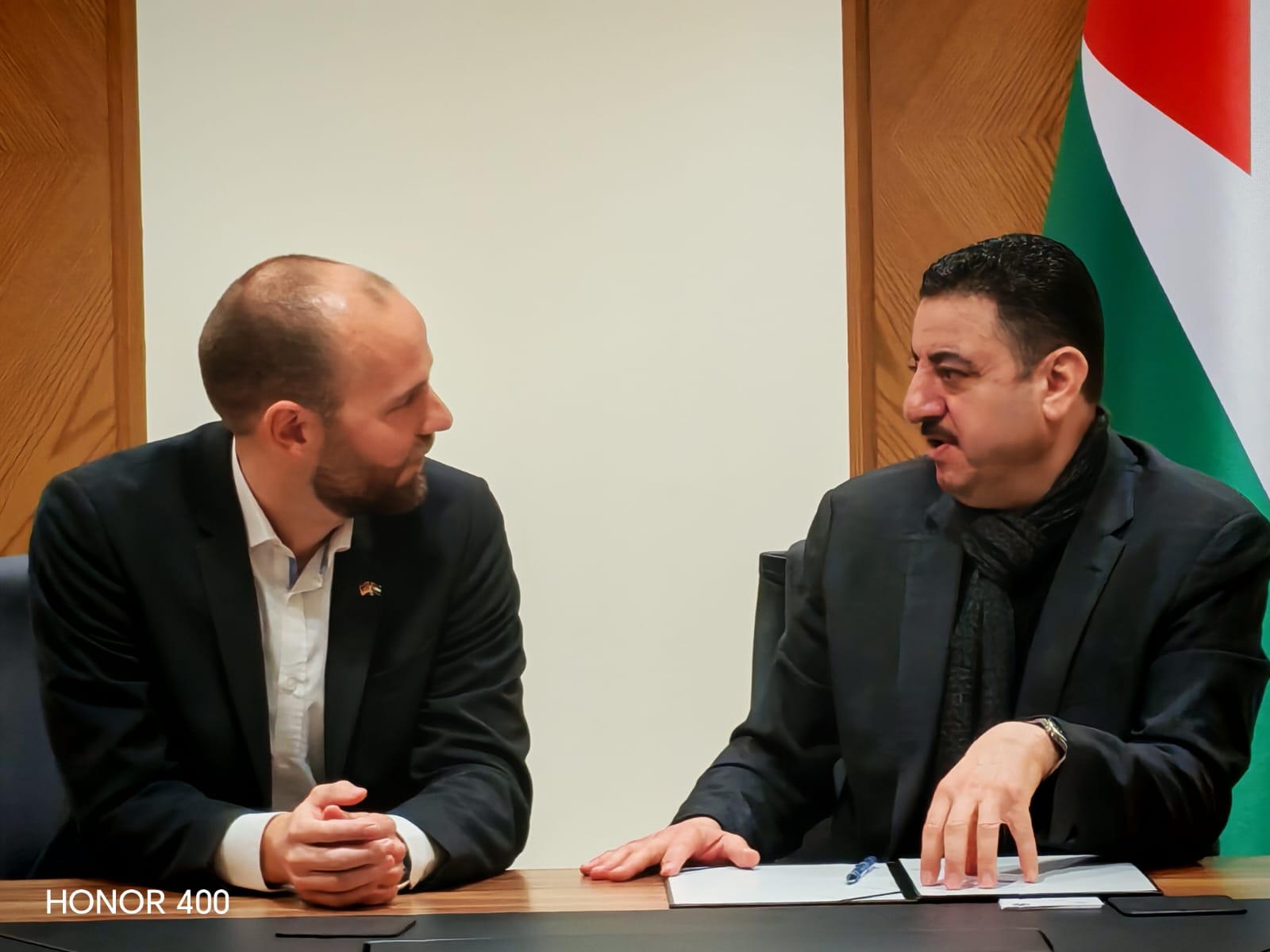
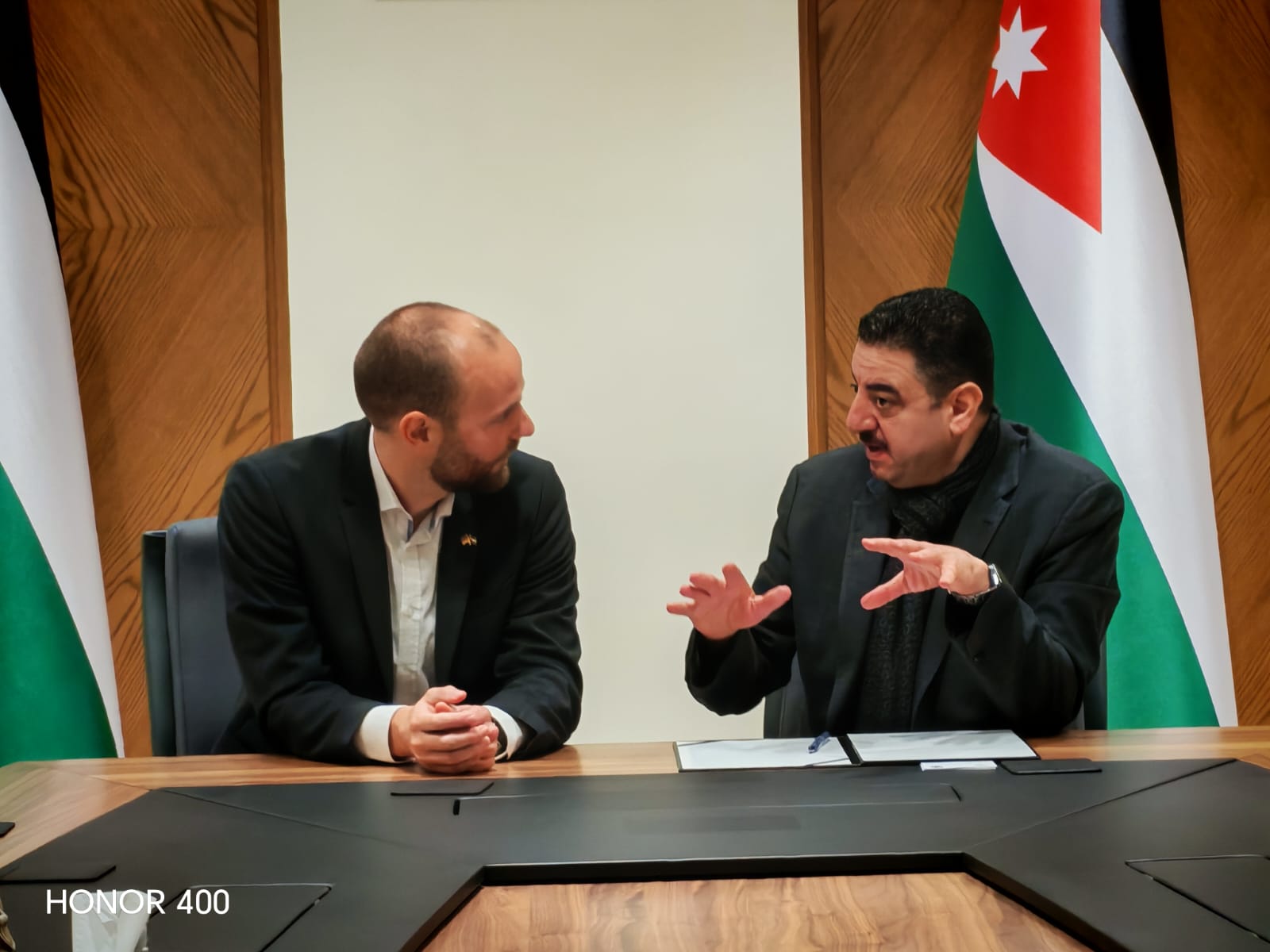
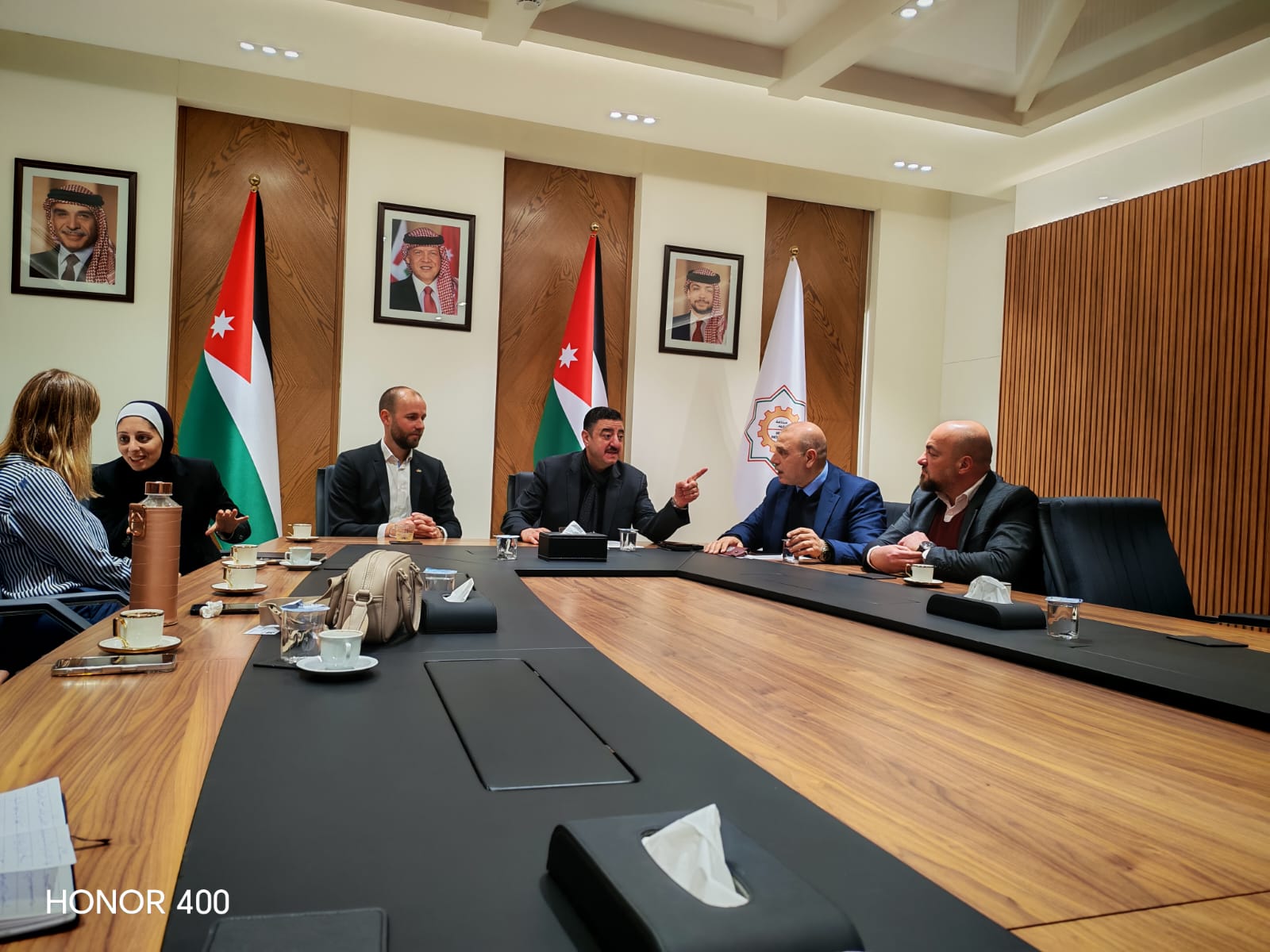
حفل التوقيع الذي أقيم في مقر غرفة صناعة إربد بحضور مدير المشروع، السيد سيمون فلوذ،
ومدير الغرفة نضال الصدر، وممثلي الوكالة ووسائل الإعلام، شدد أبوحسان على أن المشروع
يمثل خطوة عملية نحو بناء مستقبل صناعي أكثر كفاءة واستدامة في إقليم الشمال، متماشياً
مع رؤية التحديث الاقتصادي في المملكة.
وأضاف
أن التعاون بين غرفة صناعة إربد والوكالة الألمانية ليس بجديد، إذ سبق تنفيذ برامج
مشتركة أثمرت عن نتائج إيجابية ملموسة للقطاع الصناعي، إلا أن المشروع الحالي يتميز
بشموليته، حيث يركز على التحول الأخضر، تعزيز كفاءة الموارد، وتطبيق مفاهيم الدمج والشمولية
داخل المصانع.
وأشار
أبوحسان إلى أن محافظة إربد تُعد من أهم المراكز الصناعية في الأردن، حيث تضم مدينة
الحسن الصناعية 132 مصنعاً باستثمارات تتجاوز 629 مليون دولار، ويعمل فيها نحو 43 ألف
عامل وعاملة. وأوضح أن قطاع الصناعات النسيجية يشكل نسبة كبيرة من صادرات المحافظة،
بما يقارب ثلث صادرات المملكة في هذا المجال، ما يستدعي مواءمة الإنتاج مع المعايير
البيئية للأسواق العالمية، خاصة الأوروبية والأمريكية.
ولضمان
نجاح المشروع واستدامة أثره، أشار أبوحسان إلى تشكيل فريق عمل متخصص لمتابعة التنفيذ،
إلى جانب التوجه لإنشاء قسم دائم يركز على خدمات كفاءة الموارد والدمج والشمولية داخل
المنشآت الصناعية حتى بعد انتهاء المشروع. وشدد على أن التحول نحو الممارسات الخضراء
أصبح ضرورة اقتصادية، لما له من أثر في خفض التكاليف التشغيلية وتقليل الانبعاثات والحفاظ
على الموارد للأجيال القادمة.
من جانبه،
أكد مدير مشروع تعزيز الأنشطة الخضراء بالوكالة الألمانية، سيمون فلوذ، أن المشروع
يهدف إلى دعم المصانع في التحول الأخضر وتحسين كفاءة استخدام الموارد، وتحقيق الاستدامة
البيئية، مضيفاً أن إعادة التدوير أصبحت أولوية عالمية، وأن الحصول على شهادات بيئية
يمكن المصانع من فتح أسواق جديدة والاستفادة من مزايا الاقتصاد الأخضر.
وأوضح
فلوذ أن المرحلة المقبلة ستركز على الدعم الفني المباشر داخل المصانع، من خلال تقديم
استشارات متخصصة لتحديد فرص خفض التكاليف التشغيلية، مشيراً إلى أن التحول الأخضر ليس
عبئاً مالياً، بل استثماراً طويل الأمد يمنح المنشآت الصناعية ميزة تنافسية حقيقية.
وأضاف أن الوكالة، بالتعاون مع الغرفة، ستوفر أدوات تقييم ونماذج إرشادية تساعد المصانع
على تطبيق أفضل الممارسات العالمية وفق المعايير البيئية المعتمدة دولياً.
وعرض فريق
غرفة صناعة إربد، الذي سيتولى الإشراف على تنفيذ المشروع، خطة العمل المستقبلية التي
تشمل إجراء دراسات تقييمية للمنشآت الصناعية، وتحديد فرص التحسين في مجالات الطاقة،
إدارة النفايات، والتحول الرقمي. كما أشار الفريق إلى جهود الغرفة السابقة في دعم التشغيل
وتحسين الأداء الصناعي، من خلال وحدة المشاريع الاقتصادية التي تنفذ اليوم برامج متعددة
في الصحة والسلامة المهنية، الاقتصاد الأخضر، والتحول الرقمي.
ولتعزيز
مفهوم الصناعة الشاملة والمسؤولة اجتماعياً، تم مؤخراً إجراء دراسة لتقييم جاهزية المصانع
لخدمة الأشخاص ذوي الإعاقة، وإعداد توصيات لتحسين البنية التحتية، إلى جانب عقد ورش
تدريبية لأصحاب العمل والعاملين ونشر قصص نجاح للمنشآت التي تطبق هذه المعايير.
في الختام،
اعتبر أبوحسان الاتفاقية نموذجاً للشراكة الفاعلة بين المؤسسات الوطنية وشركاء التنمية،
وتجسيداً عملياً لتوجهات الاقتصاد الأخضر، بما يدعم الصناعة الوطنية ويعزز قدرتها على
المنافسة في الأسواق العالمية، مؤكداً أن المستقبل الصناعي في إقليم الشمال سيعتمد
على الكفاءة والاستدامة، ليصبح نموذجاً يحتذى به على المستوى الوطني والدولي.
Abuhsan: Green Activities Project a Step Towards Sustainable Industry in
Northern Jordan
Irbid – Nirooz – Muhammad Mohsen
Obaidat
In a significant move towards a more
sustainable and advanced industrial sector, the President of the Irbid Chamber
of Industry, Mr. Hani Abuhsan, announced the launch of the Green Activities
Enhancement Project for Industrial Facilities, in cooperation with the
German Agency for International Cooperation (GIZ). He emphasized that this
initiative represents a major milestone in developing the industrial sector and
enhancing its competitiveness according to environmental sustainability standards.
During the signing ceremony held at
the Irbid Chamber of Industry, attended by the project manager Mr. Simon Floth,
Chamber Director Nidal Al-Sadr, GIZ representatives, and media personnel,
Abuhsan highlighted that the project is a practical step towards building a
more efficient and sustainable industrial future in Northern Jordan, aligned
with the kingdom’s economic modernization vision.
Abuhsan added that the collaboration
with GIZ is not new, as previous joint programs had produced tangible positive
results for the industrial sector. However, this current project stands out for
its comprehensiveness, focusing on green transformation, resource efficiency,
and the integration of inclusion principles within industrial facilities.
He pointed out that Irbid Governorate
is one of the most important industrial hubs in Jordan, with Al-Hassan
Industrial City hosting 132 factories with investments exceeding $629 million
and employing around 43,000 workers. He also noted that the textile sector
constitutes a significant share of the governorate’s exports, nearly one-third
of the country’s total textile exports, highlighting the need to align
production with environmental requirements in global markets, particularly in
Europe and the United States.
To ensure the project’s success and
sustainable impact, Abuhsan mentioned the formation of a specialized task force
to oversee its implementation, alongside plans to establish a permanent
department dedicated to resource efficiency, inclusion, and sustainability
within industrial facilities even after the project ends. He stressed that the
transition to green practices is no longer optional but an economic necessity,
reducing operational costs, lowering emissions, and conserving resources for
future generations.
For his part, the GIZ Project Manager,
Simon Floth, emphasized that the project aims to support factories in green
transformation, improving resource efficiency, and achieving environmental
sustainability. He highlighted that recycling has become a global priority and
that obtaining environmental certifications opens new markets and allows
factories to benefit from the advantages of the green economy.
Floth noted that the next phase will
focus on direct field support within factories, providing specialized
consultations to identify opportunities for reducing operational costs. He
clarified that green transformation is not a financial burden but a long-term
investment that enhances the competitiveness and sustainability of industrial
facilities. The agency, in collaboration with the chamber, will also provide
practical evaluation tools and guidelines to help factories implement global
best practices in line with internationally recognized environmental standards.
The Irbid Chamber of Industry team
overseeing the project presented a detailed work plan, including assessment
studies for industrial facilities, identifying areas for improvement in energy
efficiency, waste management, and digital transformation. The team also
highlighted the chamber’s previous efforts in supporting operational excellence
through the Economic Projects Unit, which runs programs in occupational health
and safety, green economy initiatives, and digital transformation.
To promote inclusive and socially
responsible industry, a recent study evaluated the readiness of factories to
accommodate persons with disabilities, with recommendations for improving
infrastructure, training workshops for employers and employees, and sharing
success stories of facilities that implement these standards.
In conclusion, Abuhsan described the
agreement as a model of effective partnership between national institutions and
development partners, translating green economy policies into practical
initiatives that support Jordanian industry and enhance its global
competitiveness. He affirmed that the industrial future of Northern Jordan will
rely on efficiency and sustainability, setting a benchmark at both national and
international levels.


-
 حزب الإصلاح ينظم لقاءً حوارياً في إربد لمناقشة مشروع قانون الإدارة المحلية لسنة 2026محمد محسن عبيدات2026-06-29
 -
وفاة والدة الدكتور أمين أبو حجلة.. الحاجة هدنة شاهين تترجل بعد مسيرة حافلة بالإيمان والعطاءمحمد محسن عبيدات2026-06-29
-
رئيس ديوان عشيرة العبيدات يلتقي مسؤولي الأشغال والصحة في إربد ويطرح حزمة من الأولويات الخدمية والتنمويةمحمد محسن عبيدات2026-06-29
-
-
عمان تحتضن أمسية أردنية سعودية مميزة برعاية الروابدة وحضور نخبة من رجال الدولة والأعمالمحمد محسن عبيدات2026-06-27
وكالة نيروز الإخبارية
لا مانع من الاقتباس واعادة النشر شريطة ذكر المصدر { وكالة نيروز الإخبارية } الآراء والتعليقات المنشورة تعبر عن رأي أصحابها فقط. © 2019 - جميع الحقوق محفوظة.
, بريد الكتروني : khalil.aljbour11 [at] gmail.com للإتصال : 0790980000
تصميم و تطوير