







محمد محسن عبيدات
Ministers of Local Administration,
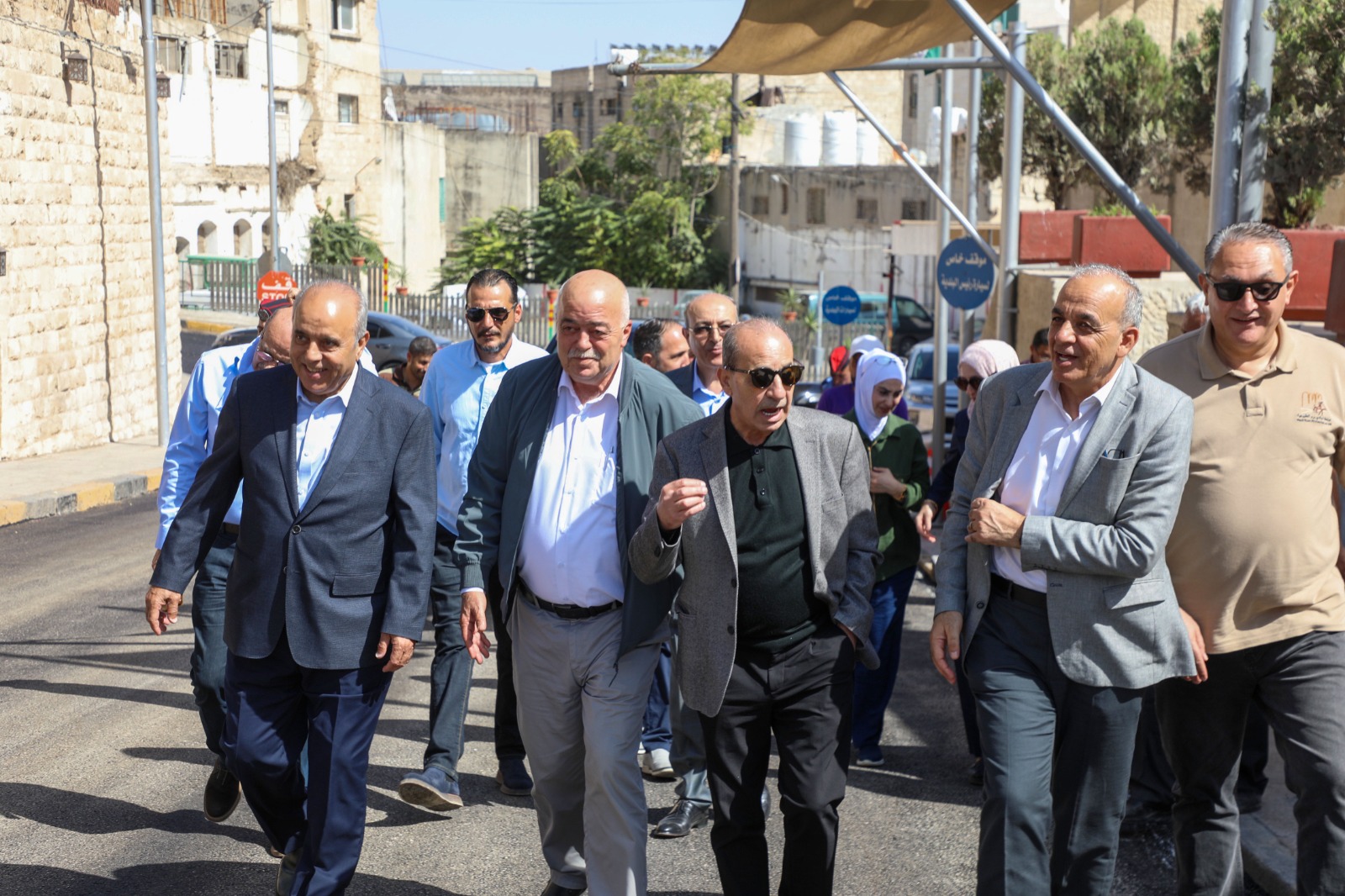
Education, Tourism, and Environment Visit Irbid to Follow Up on Development
Projects
Nayrouz News Agency – Mohammad Mohsen
Obeidat
As part of the government’s ongoing
efforts to develop Jordanian cities and highlight their historical and
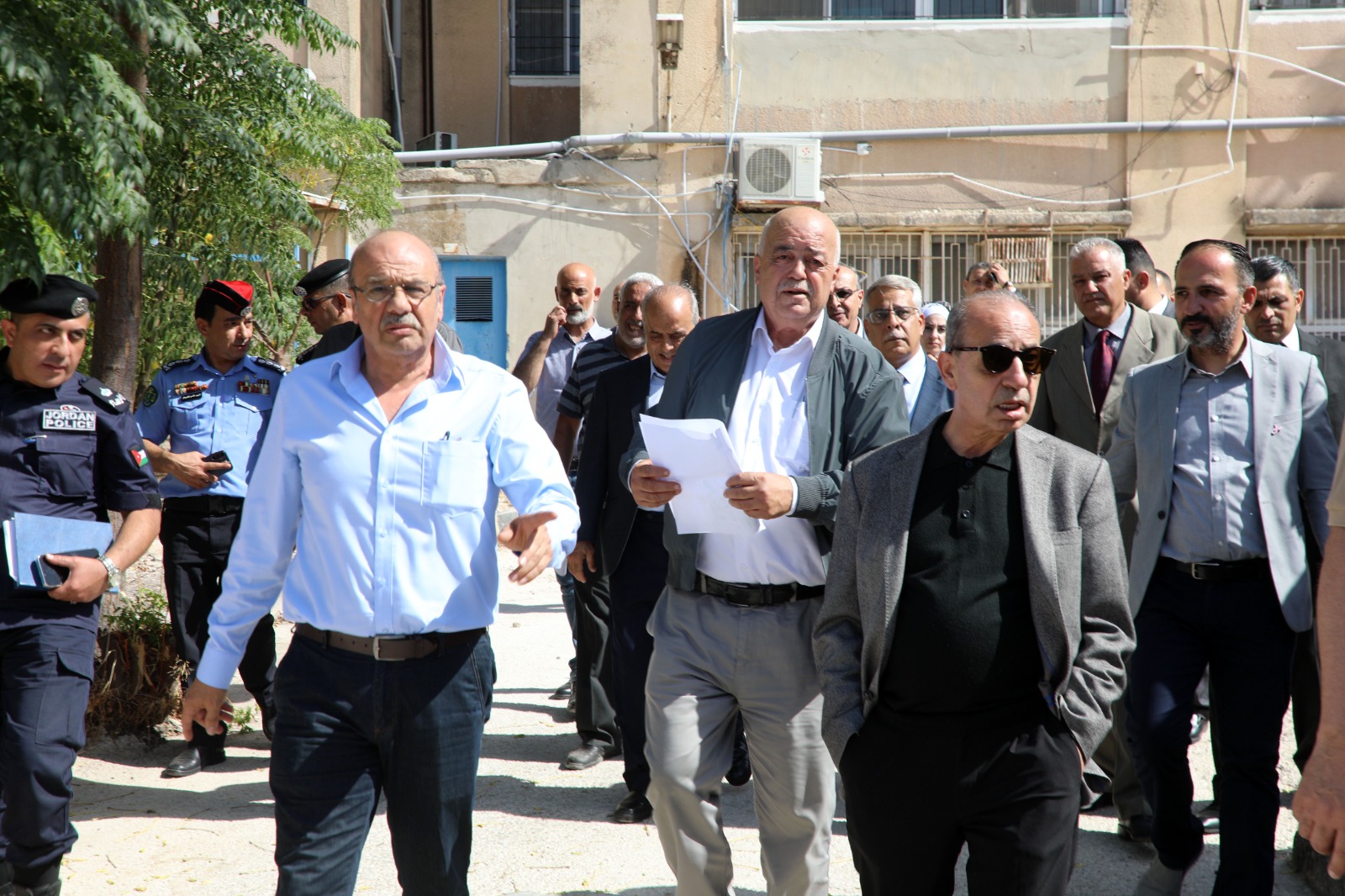
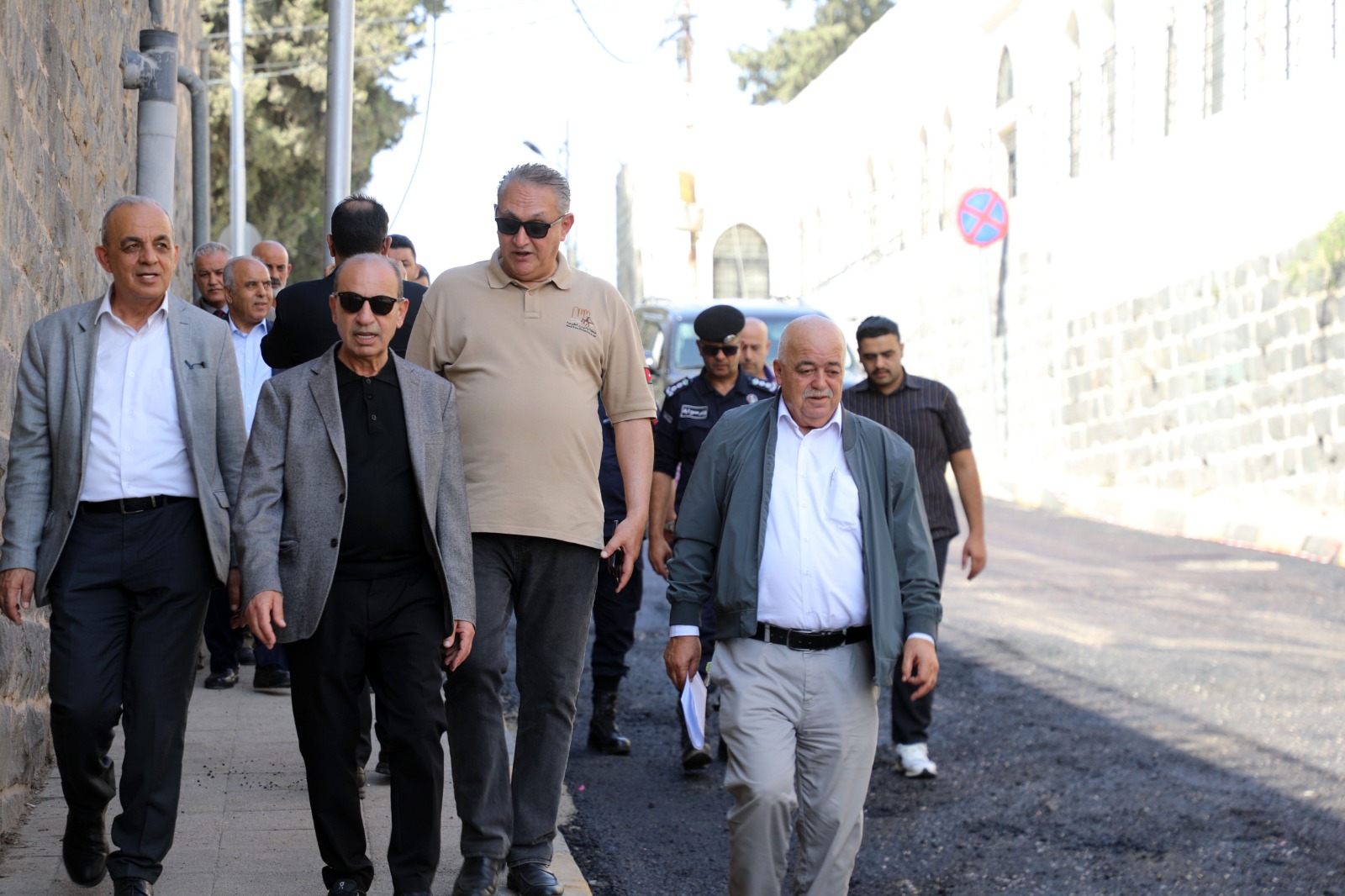
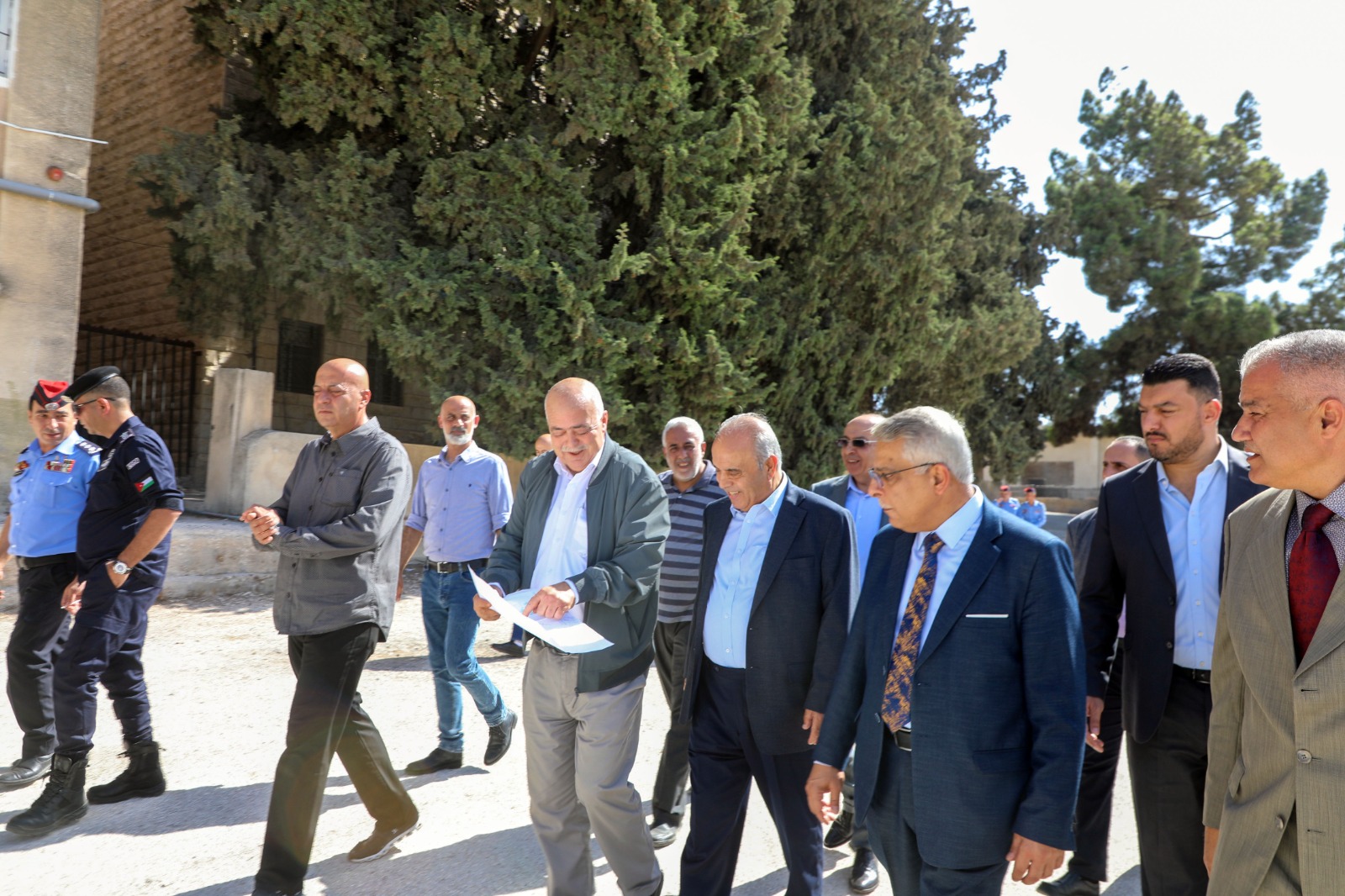
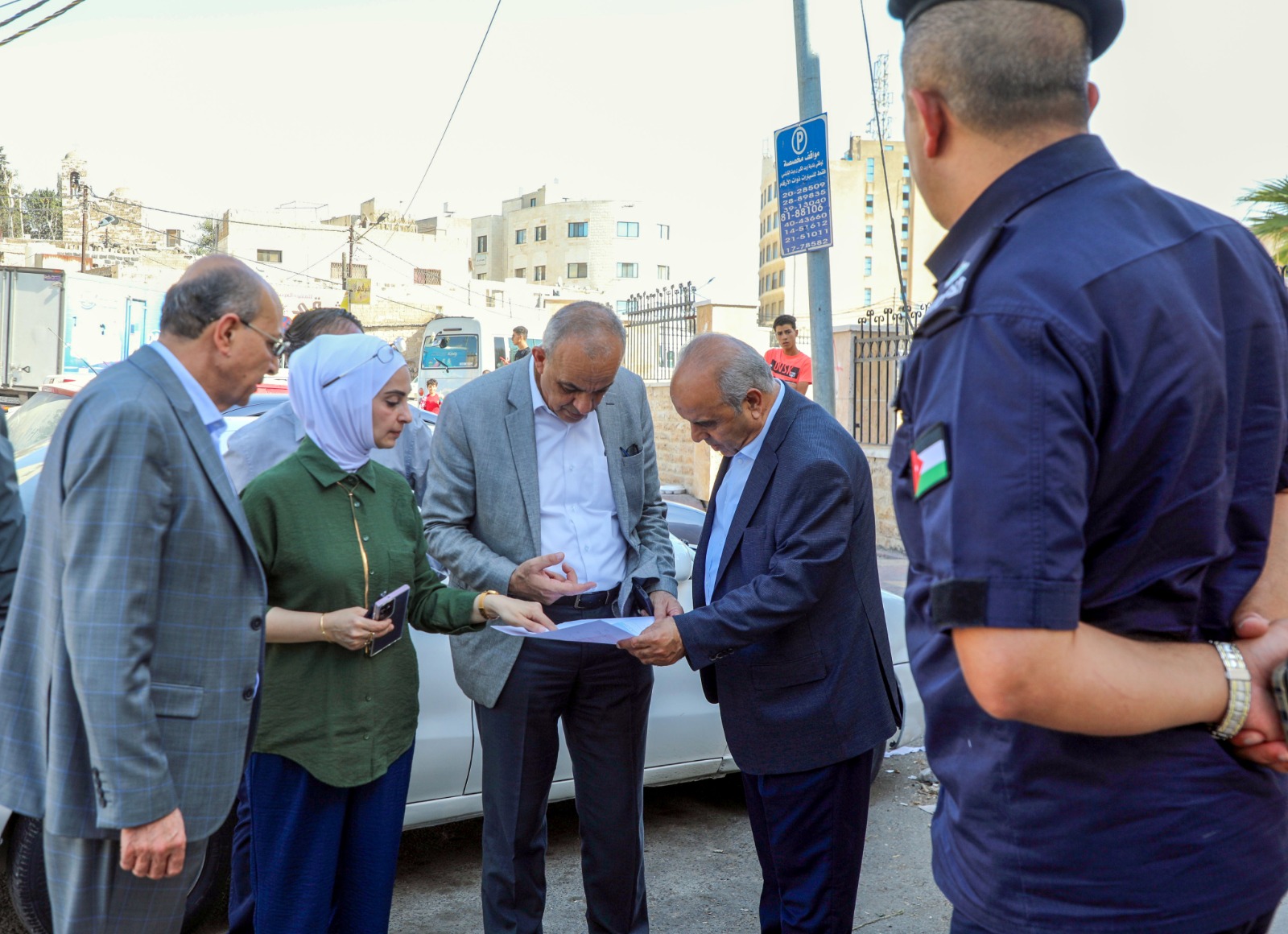
architectural character, a high-level ministerial delegation conducted a field
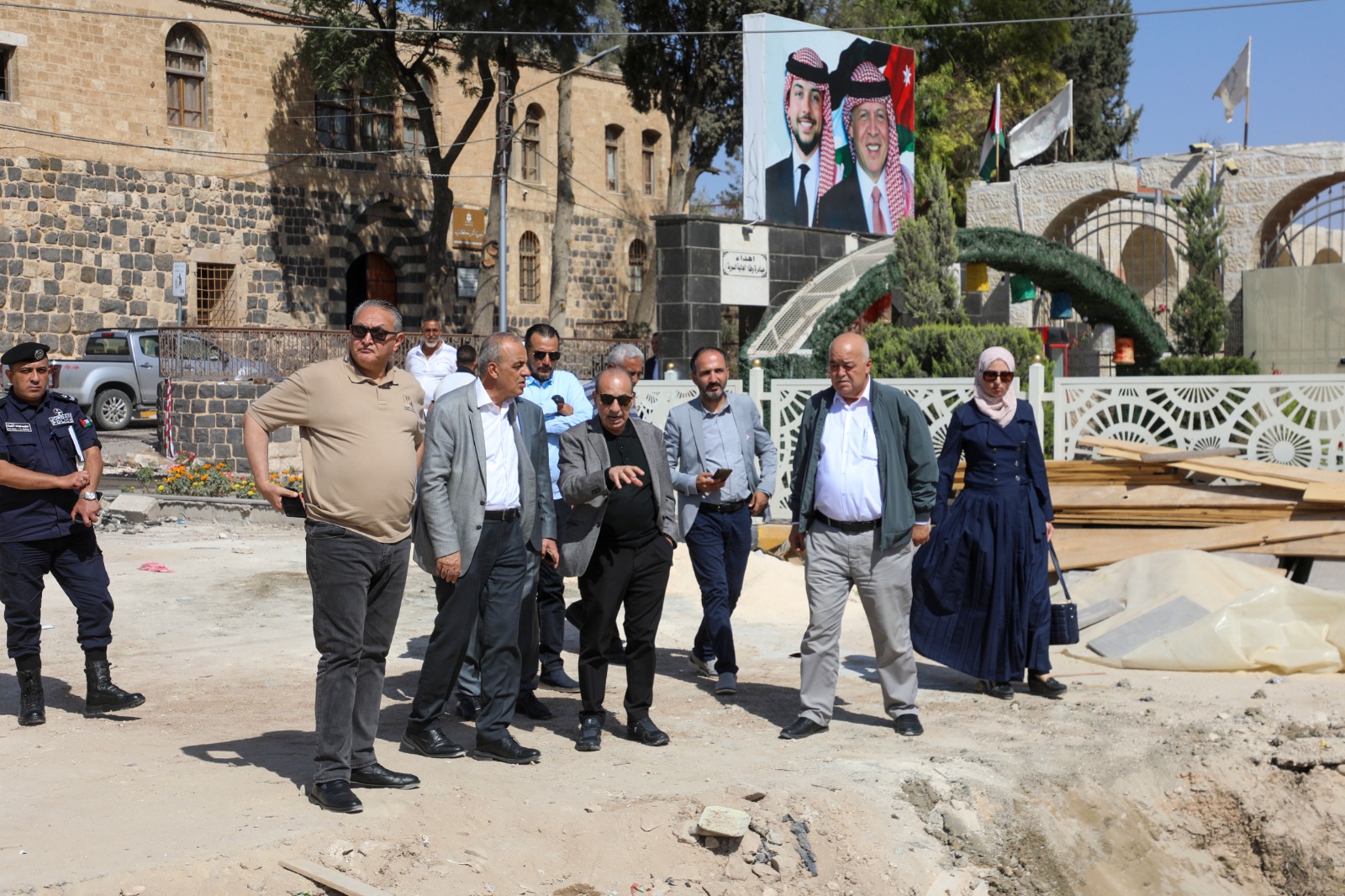
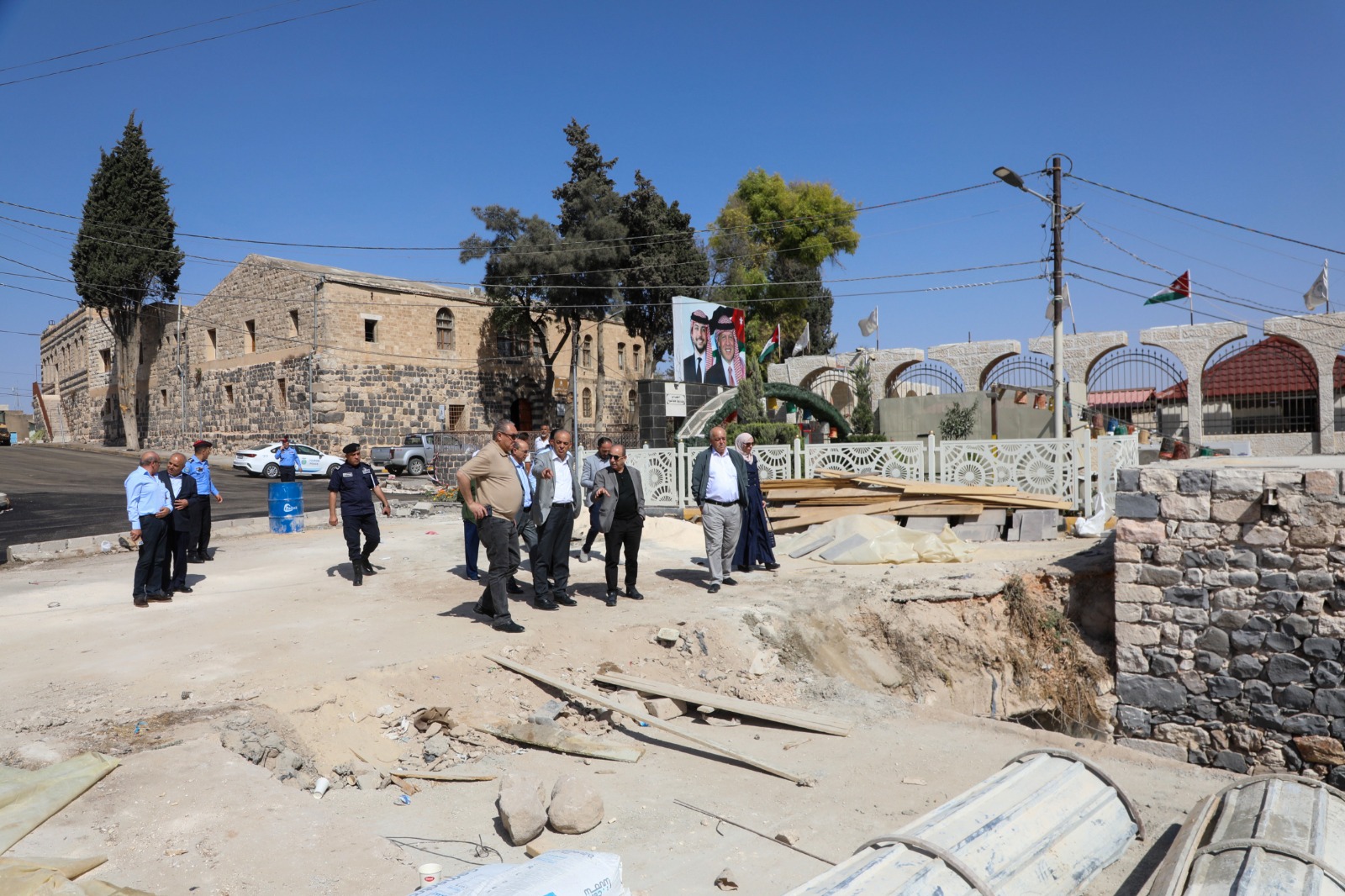
visit to Irbid Governorate. The delegation inspected the progress of the Irbid
Downtown Redevelopment Project and the Dhahr Al-Tal area project, in addition
to visiting several municipalities to assess ongoing development projects and
public services.
The delegation included the Minister
of Local Administration, Eng. Walid Al-Masri; Minister of Education and
Minister of Higher Education and Scientific Research, Dr. Azmi Mahafzah;
Minister of Tourism and Antiquities, Dr. Emad Hijazin; and Minister of Environment,
Dr. Ayman Suleiman, accompanied by the Head of Irbid Greater Municipality
Committee, Imad Al-Azzam.
Reviving Downtown Irbid... A Comprehensive Urban Vision
During the tour, Eng. Walid Al-Masri
emphasized that the visit comes within the government’s efforts to enhance
coordination between the municipality and relevant ministries—particularly
education and tourism—to establish an integrated vision for the area that
combines educational, heritage, and tourism dimensions. The goal is to
transform downtown Irbid into a vibrant urban and tourist hub.
Al-Masri noted that the downtown
revitalization project is one of the long-awaited major development projects.
He pointed out that significant progress has already been achieved, including
the acquisition of several heritage houses to preserve the city’s traditional
architectural fabric. Currently, work continues on the first phase of the
project, which involves constructing a public park on Dhahr Al-Tal behind the
Martyr Wasfi Al-Tal Industrial School, serving as a recreational space for
residents and visitors alike.
He praised the rapid progress made by
the Irbid Municipality in implementing high-quality urban development projects,
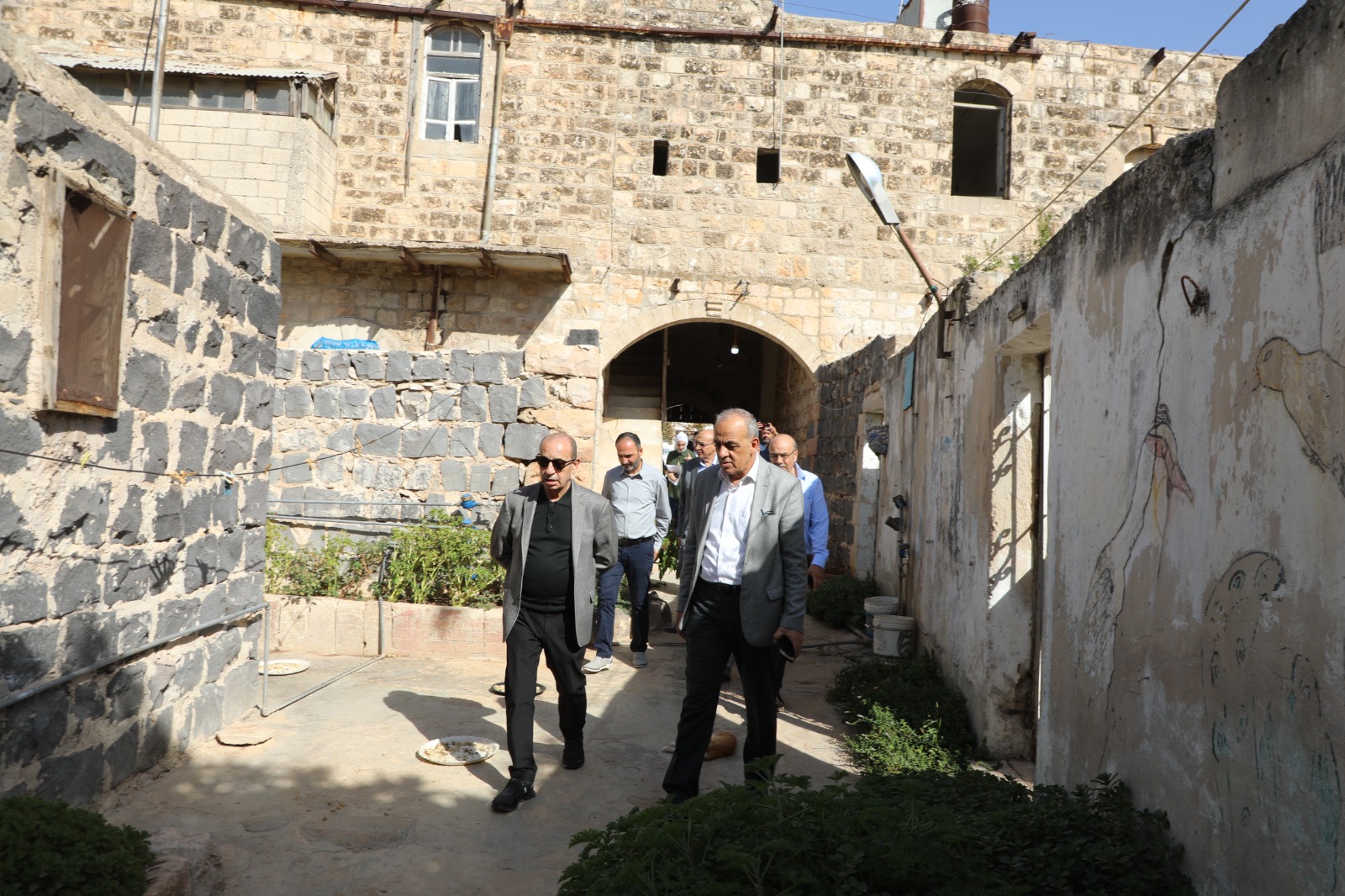
such as the restoration of the old municipal building dating back to 1881 and
the rehabilitation of the historic municipal staircase—one of the city’s most
distinctive landmarks.
The minister also revealed future
plans to relocate the Public Security Directorate building from its current
site to a newly designated area for a modern facility. Additionally, the
government intends to repurpose the "Al-Sabah School” building in a way that
aligns with the cultural and urban identity of the redevelopment project.
Municipal–Ministerial Coordination for Developmental Integration
For his part, Head of the Irbid
Greater Municipality Committee, Imad Al-Azzam, stated that the municipality
operates within a participatory framework with various ministries—especially
Education, Awqaf, and Tourism—to ensure the success and sustainability of the
project. He added that the municipality held several meetings with merchants
and business owners in the downtown area to gather their input and suggestions
regarding the implementation phases, aiming to reach a consensus-based vision
that balances public and private interests.
Al-Azzam explained that the project is
not merely about beautification but about revitalizing the economic and
cultural role of the downtown area, transforming it into a dynamic center for
commercial, cultural, and tourism activities that reflects Irbid’s urban
identity. He recalled that Irbid was chosen as the Arab Capital of Culture
in 2022, underscoring its rich cultural and historical significance.
Field Visits to Al-Wasatiyah and Khalid bin Al-Waleed Municipalities
The tour also included a visit to Al-Wasatiyah
Municipality, where the ministerial delegation met with Committee Chairman
Eng. Fathi Khassawneh. The delegation was briefed on the municipality’s key
projects, services, and future needs, with ministers reaffirming the
government’s support for municipalities in their developmental mission.
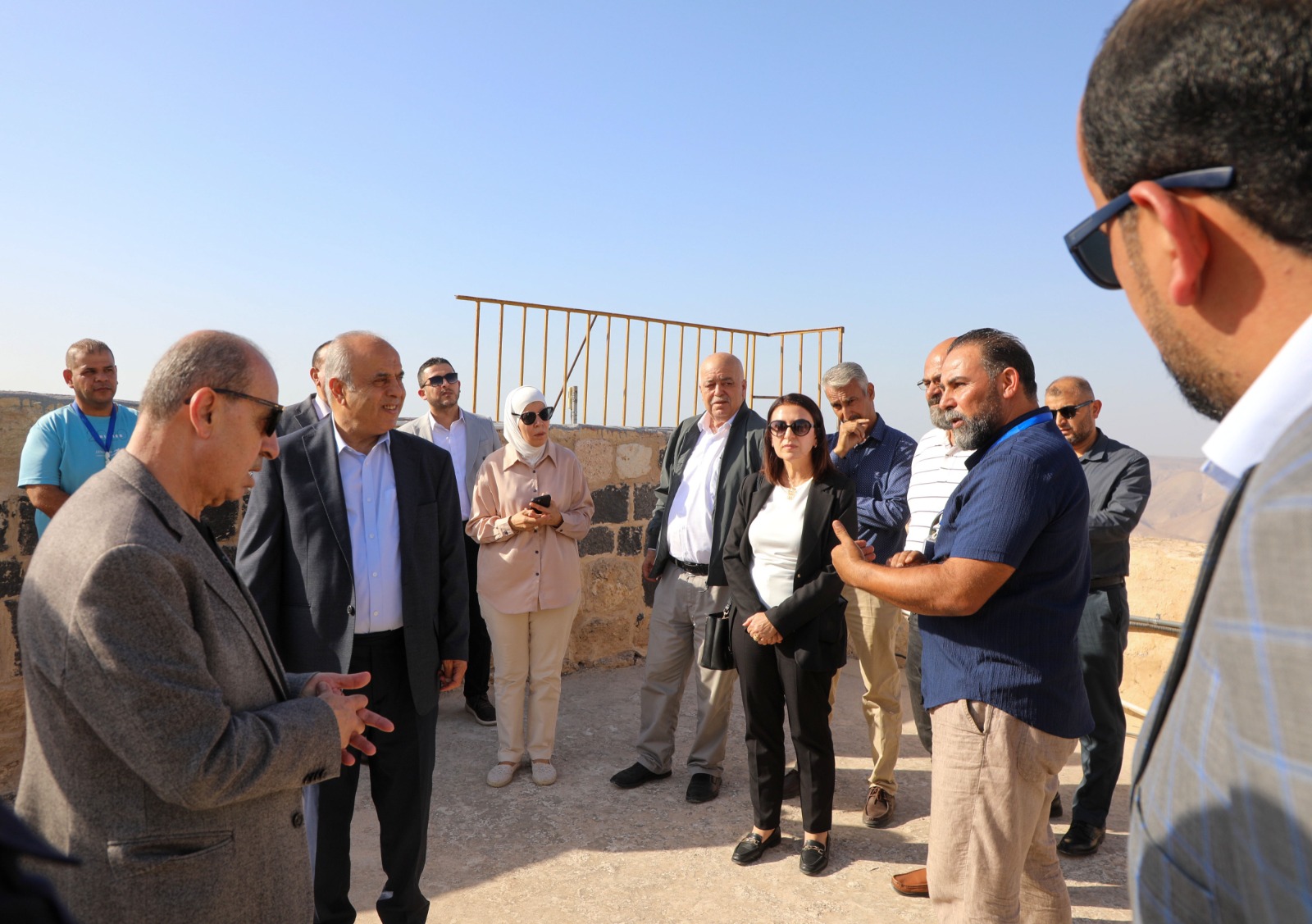
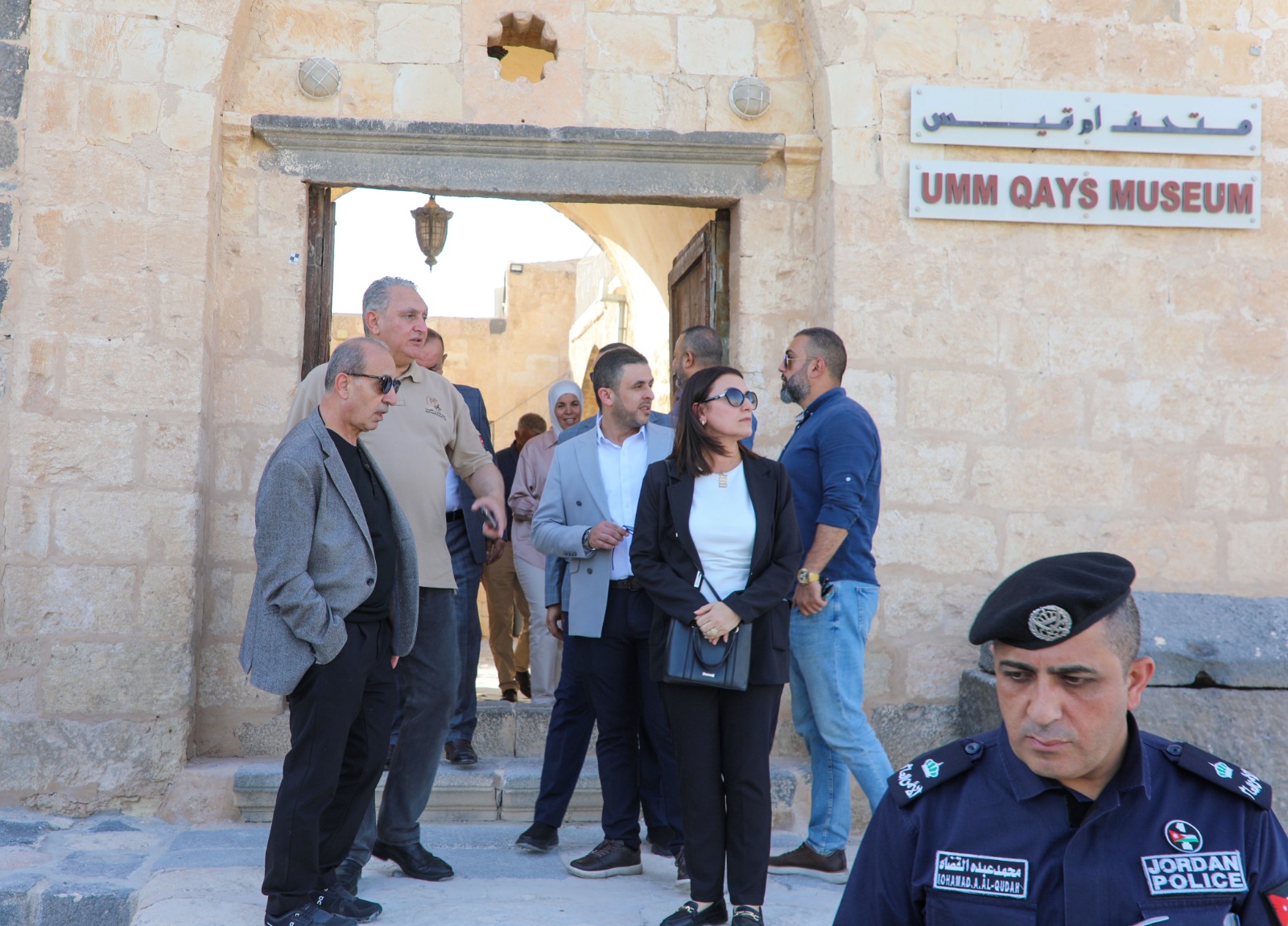
The ministers also visited Khalid
bin Al-Waleed Municipality, where they were received by Committee
Chairwoman Eng. Rawya Gharaibeh, who accompanied the delegation on a field tour
of the Umm Qais archaeological site, one of northern Jordan’s most
prominent tourist attractions. The tour also included the newly established eco-lodge,
expected to open officially in the coming months, which will serve as a unique
addition to the region’s eco-tourism offerings.
Commitment to Continued Support and Institutional Cooperation
At the end of the tour, the ministers
underscored the importance of continued teamwork and coordination among
municipalities, ministries, and local institutions to ensure that development
projects are implemented to the highest standards and in ways that best serve
citizens. They stressed that Irbid possesses unique cultural, heritage, and
tourism assets that qualify it to be a model for balanced development
across the Kingdom.
The ministerial visit thus reflected
the government’s deep commitment to developing Jordanian cities, strengthening
their historical and architectural identity, and aligning these efforts with
the national modernization vision pursued by the Jordanian state across
all sectors.

-

-
حزب الإصلاح ينظم لقاءً حوارياً في إربد لمناقشة مشروع قانون الإدارة المحلية لسنة 2026محمد محسن عبيدات2026-06-29
-
وفاة والدة الدكتور أمين أبو حجلة.. الحاجة هدنة شاهين تترجل بعد مسيرة حافلة بالإيمان والعطاءمحمد محسن عبيدات2026-06-29
-
رئيس ديوان عشيرة العبيدات يلتقي مسؤولي الأشغال والصحة في إربد ويطرح حزمة من الأولويات الخدمية والتنمويةمحمد محسن عبيدات2026-06-29
-
وكالة نيروز الإخبارية
لا مانع من الاقتباس واعادة النشر شريطة ذكر المصدر { وكالة نيروز الإخبارية } الآراء والتعليقات المنشورة تعبر عن رأي أصحابها فقط. © 2019 - جميع الحقوق محفوظة.
, بريد الكتروني : khalil.aljbour11 [at] gmail.com للإتصال : 0790980000
تصميم و تطوير