

Nayrouz News Agency :
Baku’s Preparation for Hosting WUF13
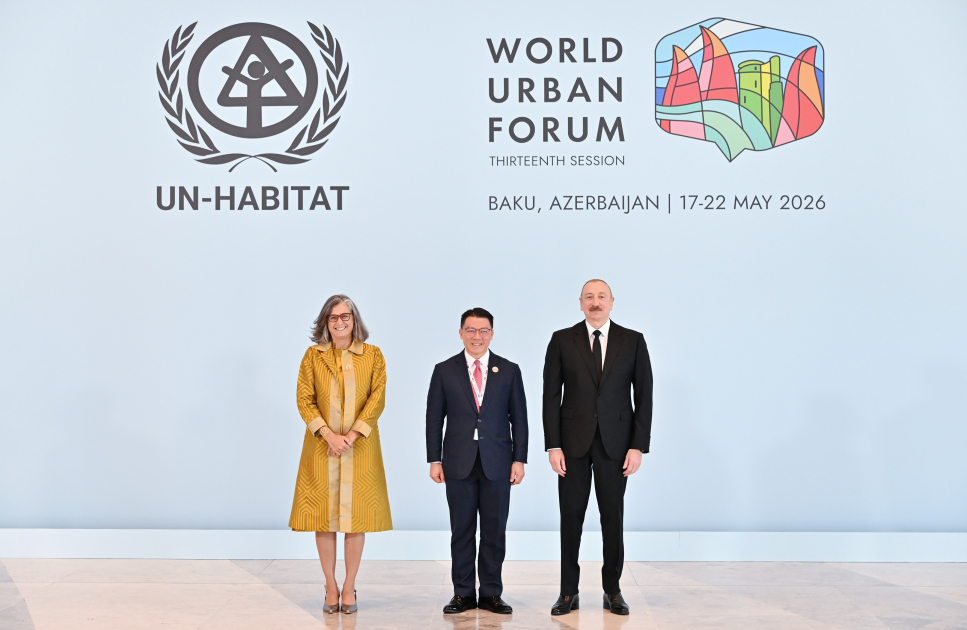
The successful organization of the 13th Session of the World Urban Forum (WUF13) in Baku became another clear demonstration of Azerbaijan’s growing international prestige and organizational capabilities. Held under the theme "Housing the World: Safe and Resilient Cities and Communities,” the forum brought together more than 45,000 participants from 182 countries, becoming one of the largest international events ever hosted by Azerbaijan.
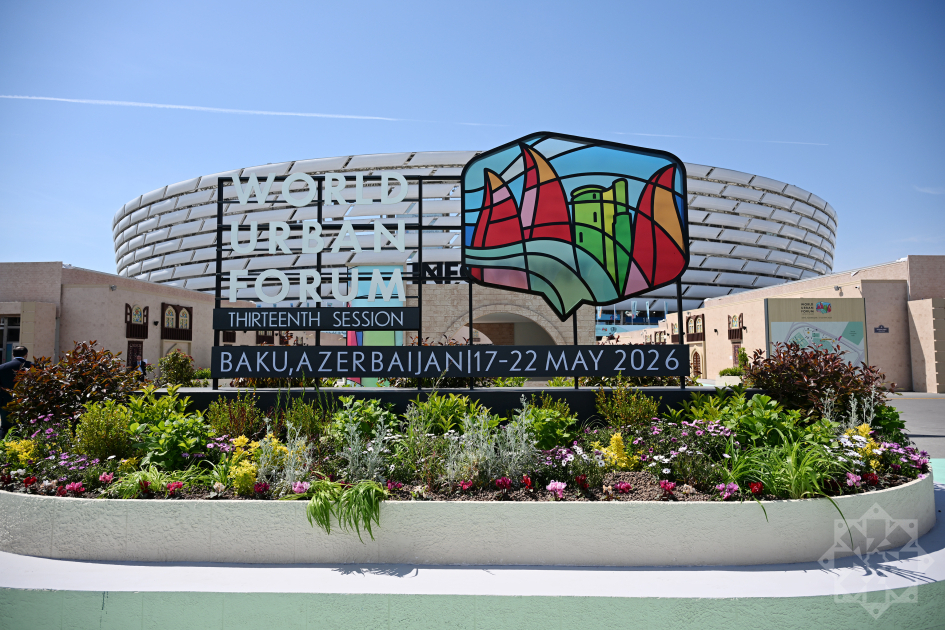
Preparation for the forum was carried out on an exceptional scale. A special Organizing Committee supervised every aspect of the process, including infrastructure development, logistics, security, transportation, digital services, and media operations. The operational area around the Baku Olympic Stadium covered 53 hectares and functioned through a fully integrated management system encompassing registration, transportation, exhibitions, technical support, volunteer coordination, and hospitality services.
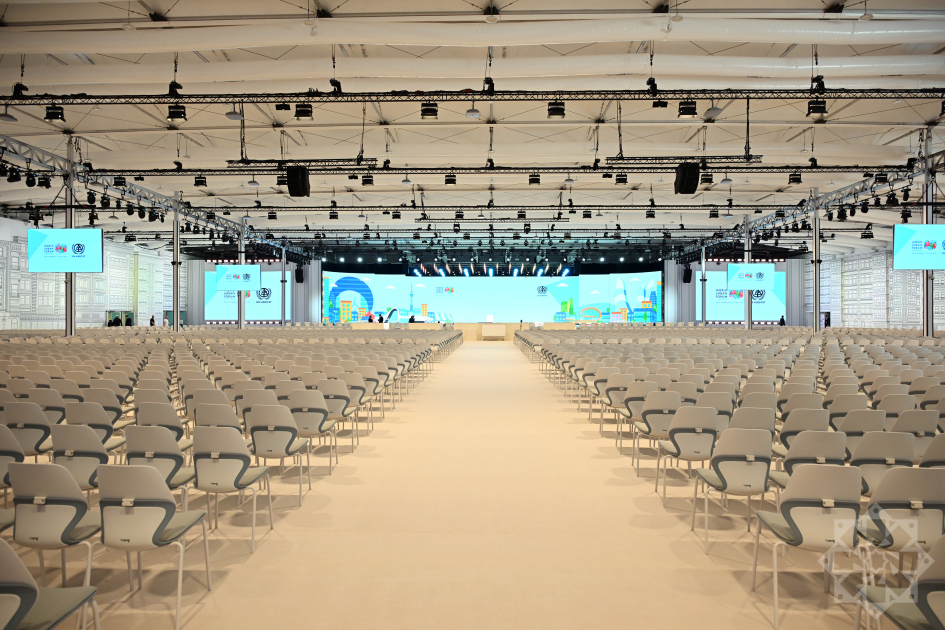
The venue itself reflected the ambition of the event. The main ceremonial hall accommodated up to 6,000 participants, while approximately 300 parallel meetings and discussions were held daily across conference halls and thematic session rooms. More than 35 catering facilities, a modern Media Center for 600 representatives, special lounges for high-level delegations, and the open-air "WUF13 Boulevard” created an atmosphere combining functionality with Azerbaijani hospitality.
Special attention was also devoted to accessibility, sustainability, and digital infrastructure. Eco-friendly transportation systems, electric buses, airport transfers, backup data centers, fiber-optic networks, and digital command centers ensured uninterrupted operation throughout the forum. The "Urban Expo Zone,” covering 3.5 hectares, became the largest exhibition in WUF history, with 217 organizations and 66 national pavilions presenting innovative urban development projects.
Azerbaijan also used WUF13 as a platform to present its reconstruction efforts in Karabakh and East Zangezur under the "Great Return” program. The "smart city” and "smart village” concepts implemented in the liberated territories attracted significant international interest as examples of post-conflict reconstruction, ecological restoration, and modern urbanization.
Opening Ceremony
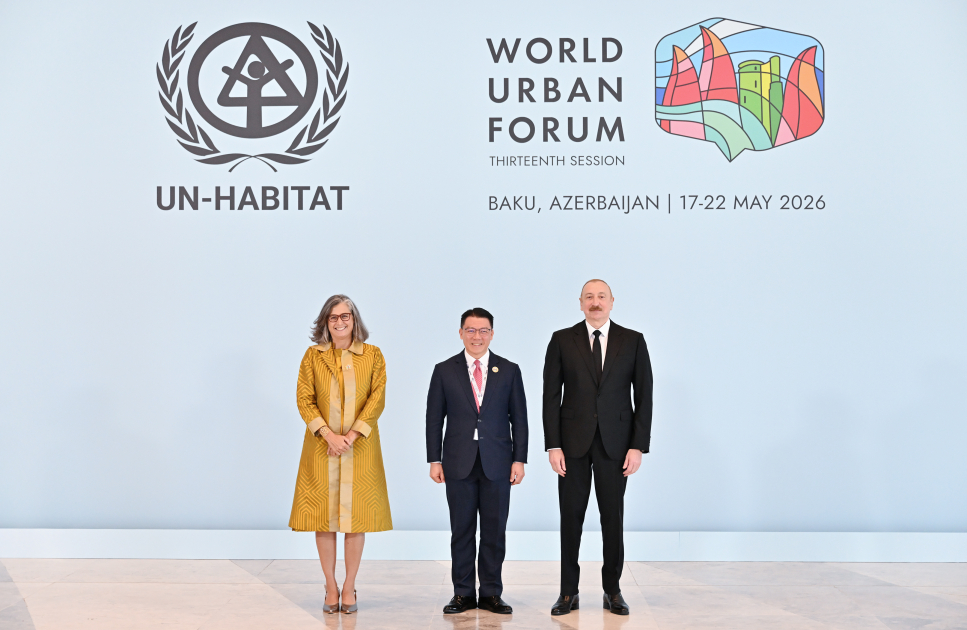
The opening ceremony of WUF13, held on May 18 in Baku, became one of the central moments of the forum. President of the Republic of Azerbaijan Ilham Aliyev addressed the participants and presented Azerbaijan’s vision of urban development, historical preservation, and sustainable modernization.
In his speech, the President emphasized that Azerbaijan has always served as a bridge between East and West, a reality reflected in Baku’s architecture and urban identity. He described the harmony between the ancient Old City and the modern Baku Boulevard as evidence of Azerbaijan’s successful balance between preserving historical heritage and embracing modernization.
President Ilham Aliyev noted that 2026 had been declared the "Year of Urban Planning” in Azerbaijan, underlining the strategic importance of urban development for the country. He thanked UN-Habitat for its cooperation and highlighted the national urban forums previously organized in Aghdam, Zangilan, and Khankendi.
A significant portion of the speech focused on the reconstruction of Karabakh and East Zangezur following decades of occupation and destruction. Referring to Aghdam as the "Hiroshima of the Caucasus,” the President stressed that Azerbaijan is now implementing one of the world’s most ambitious reconstruction programs. He emphasized the construction of roads, tunnels, bridges, airports, schools, hospitals, and industrial zones, alongside demining activities and employment initiatives aimed at ensuring the return of displaced citizens.
The President also spoke about environmental transformation in Baku. He recalled that the Azerbaijani capital had suffered severe ecological damage due to more than a century of oil production but has since undergone extensive modernization and environmental rehabilitation. Projects such as White City, the expansion of parks and gardens, and the development of environmentally friendly public transportation systems were presented as examples of Azerbaijan’s modern urban planning model.
Concluding his remarks, President Ilham Aliyev expressed confidence that WUF13 would contribute to the exchange of global experience and innovative ideas, while also allowing international guests to better understand Azerbaijan’s culture, history, and achievements.
International Recognition of WUF13’s Success
The successful hosting of WUF13 received broad international recognition and was widely viewed as evidence of Azerbaijan’s growing role in global dialogue on sustainable urban development. International observers emphasized Baku’s high-level organization, modern infrastructure, and ability to host one of the world’s most important forums dedicated to urbanization and the future of cities.
Particular attention was given to Azerbaijan’s implementation of the "Smart City” and "Green Zone” concepts in the liberated territories, which were presented as advanced examples of post-conflict reconstruction, ecological restoration, and innovative urban planning. The large-scale rebuilding efforts in Karabakh and East Zangezur were regarded as unique in terms of their speed, scale, and strategic vision.
The forum was also praised for creating an effective international platform to discuss housing policy, digital transformation, climate challenges, and sustainable urban governance. Many international participants highlighted that the discussions held in Baku demonstrated Azerbaijan’s emergence as an important center for international cooperation and innovative approaches in urban development.
The Leaders’ Summit segment, held for the first time in the history of the World Urban Forum, further increased the political and international significance of the event. The participation of heads of state, government leaders, ministers, mayors, and representatives of international organizations confirmed the global importance of the Baku session.
Special emphasis was placed on Azerbaijan’s hospitality, logistical capabilities, and professional management of the forum. The organization of transportation systems, media operations, security measures, and digital infrastructure was highly appreciated by participants and delegations. Baku was described as a city that successfully combines historical heritage with modern urban development and sustainable infrastructure.
WUF13 also strengthened Azerbaijan’s international image as a reliable partner capable of putting forward strategic initiatives and contributing to solutions for global challenges. The forum demonstrated that Azerbaijan today is not only a successful host of major international events, but also an active participant in shaping discussions on the future of sustainable and resilient cities worldwide.