








محمد محسن عبيدات
"نحن ننهض" يعقد جلسة حوارية حول تصوّرات المجتمع السوري
وإمكانيات العودة
نيروز – محمد محسن
عبيدات
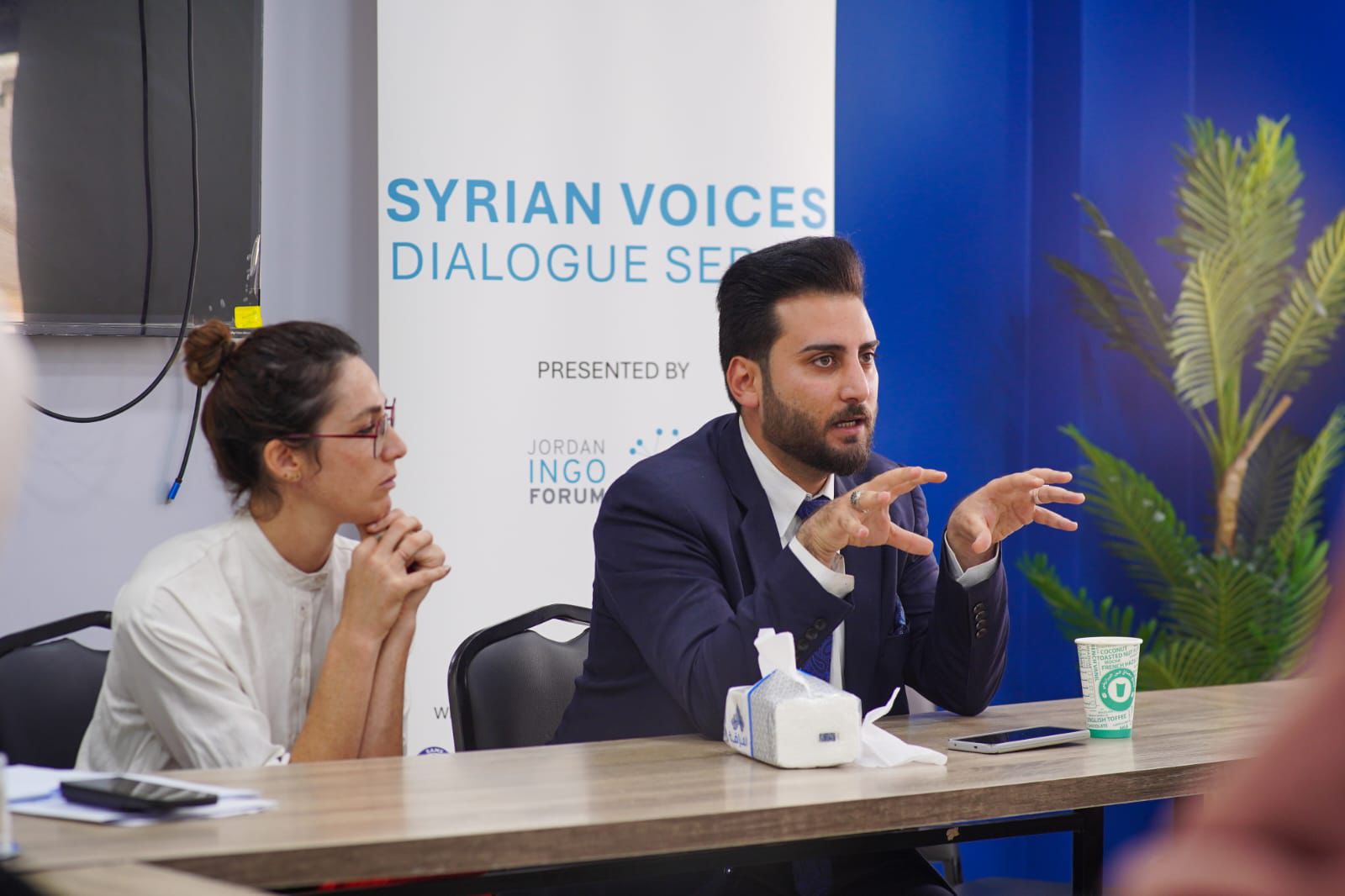
عقد مركز نحن ننهض للتنمية المستدامة، بالتعاون مع منتدى
المنظمات غير الحكومية الدولية (JIF)،
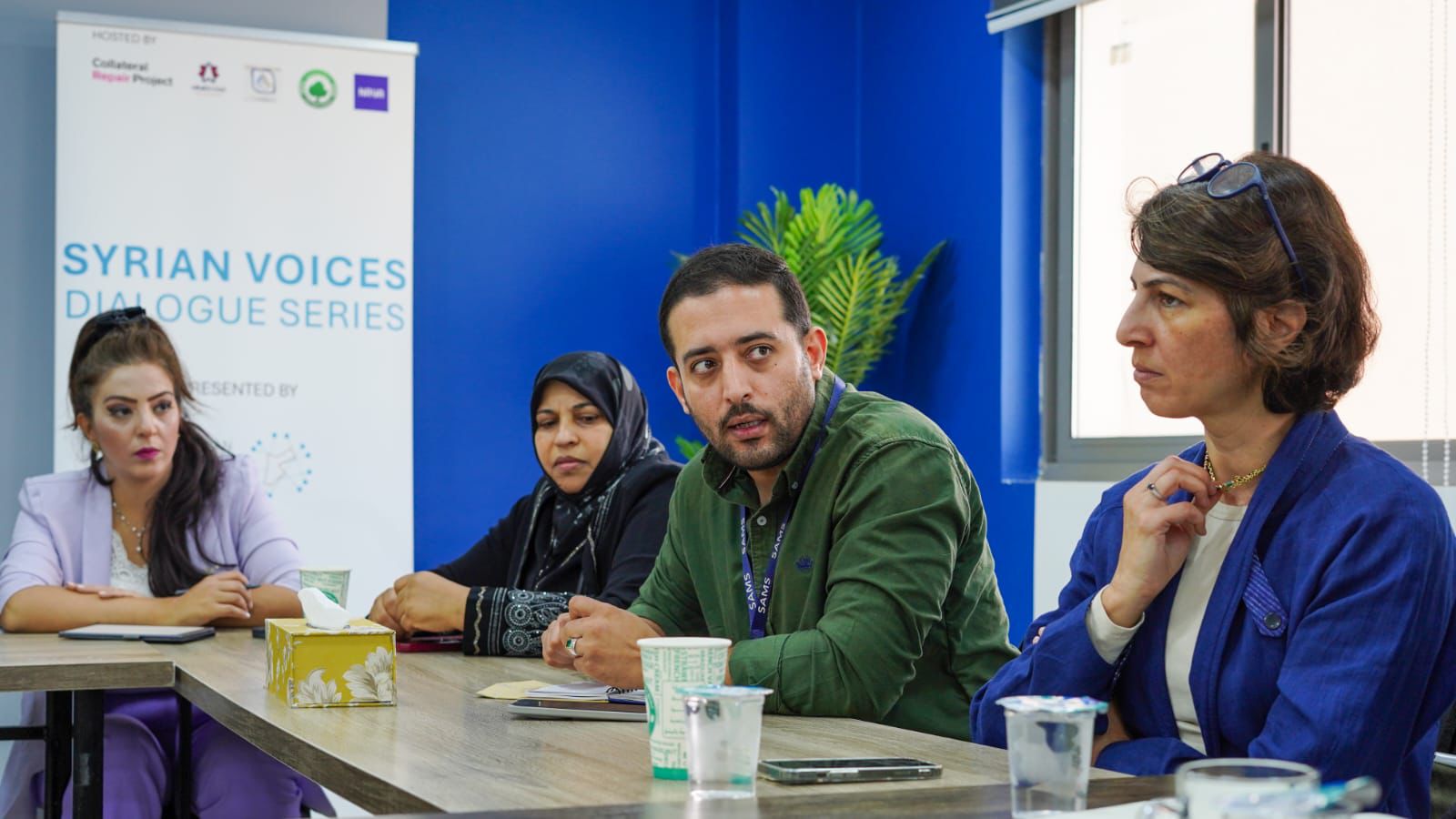
جلسة حوارية ضمن مبادرة الحوارات الاستراتيجية للأصوات السورية، التي تهدف إلى استكشاف
تصوّرات السوريين حول الواقع الحالي وإمكانيات العودة، إلى جانب دراسة استجابة الأردن
لوجود اللاجئين السوريين في ظل المتغيرات الإنسانية والاقتصادية المتسارعة.
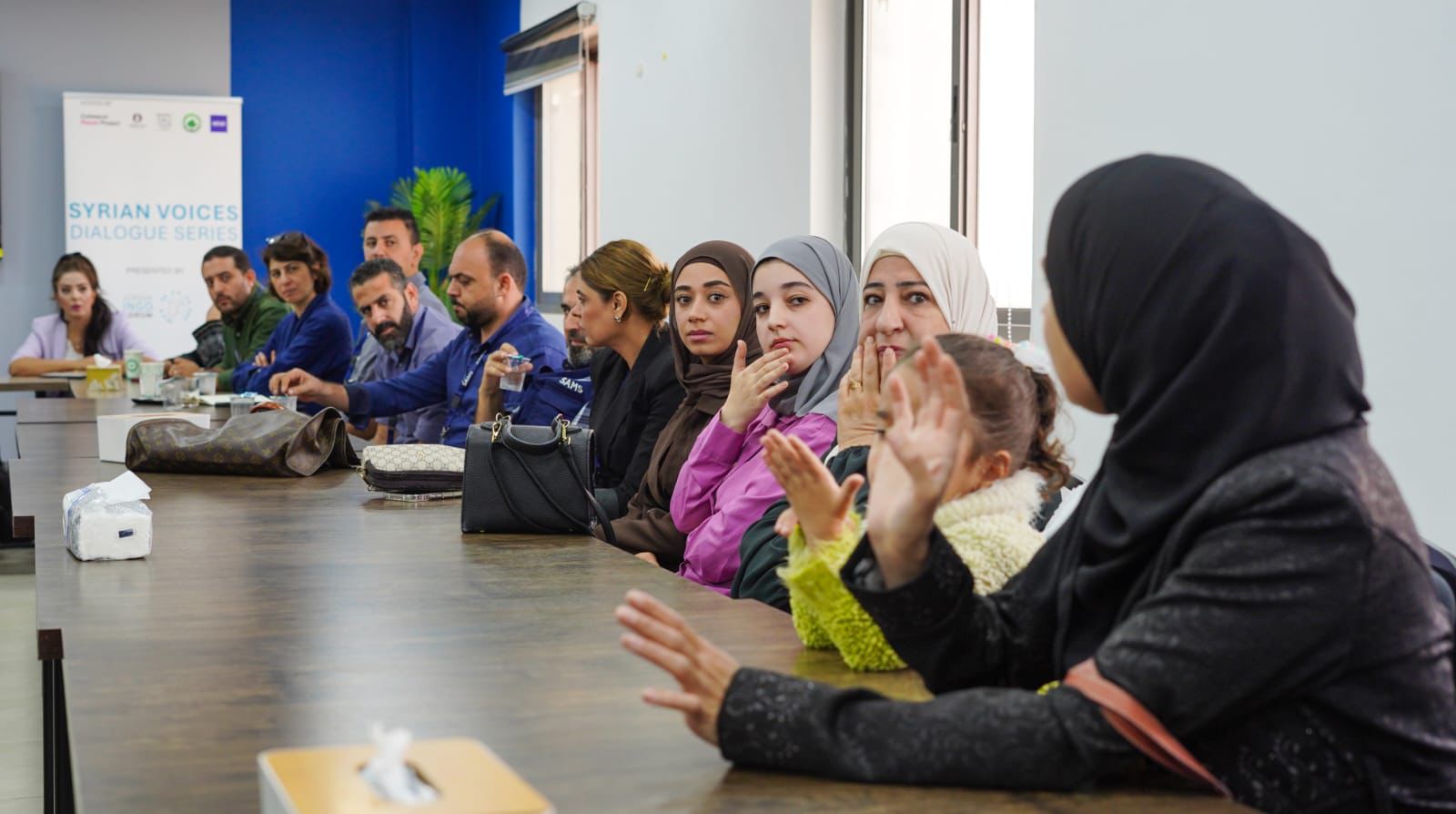
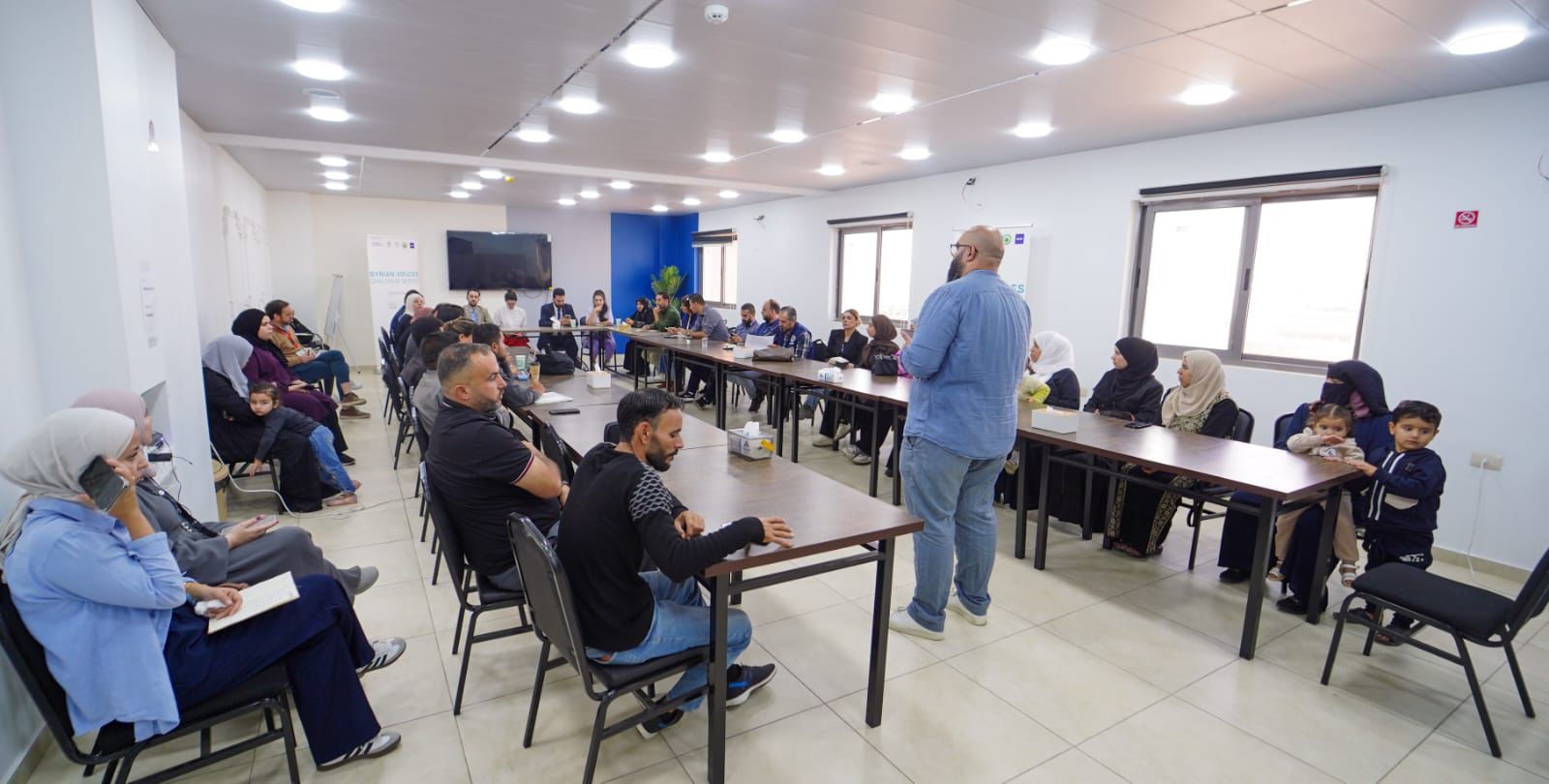
وأقيمت الجلسة في مقر المركز بمحافظة إربد، بمشاركة ممثلين
عن المجتمع المحلي، ومجموعة واسعة من اللاجئين السوريين المقيمين في المحافظة، إضافة
إلى ممثلين عن مؤسسات المجتمع المدني، وعدد من صُنّاع القرار والمهتمين بالشأن الاجتماعي
والإنساني.
وخلال الجلسة، ناقش المشاركون مختلف جوانب الواقع المعيشي
والاجتماعي للاجئين السوريين في الأردن، والتحديات المرتبطة بعملية الاندماج والتماسك
المجتمعي، إلى جانب العوامل التي قد تشجع على العودة إلى سوريا أو تعيقها. كما تناولت
النقاشات أهمية أن تستند الاستجابات الإنسانية والبرامج المستقبلية للجهات المانحة
والمنظمات الدولية إلى التجارب الواقعية للسوريين، بعيداً عن الطروحات النظرية أو التقديرات
غير المستندة إلى واقع الميدان.
وقال المدير العام لمركز نحن ننهض للتنمية المستدامة، السيد
عامر أبو دلو، إن المركز يعمل على توفير مساحات حوارية تجمع بين صُنّاع القرار والمجتمع
المحلي بهدف الوصول إلى حلول مستدامة للقضايا الاجتماعية، مؤكداً أن الحوار المباشر
مع اللاجئين السوريين يُعد خطوة محورية لفهم العقبات التي يواجهونها وصياغة تدخلات
تُسهم في تحقيق العيش الكريم وتعزيز قدرتهم على التعايش والاندماج الإيجابي.
وأضاف أبو دلو أن المركز يحرص على الاستماع الدائم لملاحظات
اللاجئين السوريين وتجاربهم الواقعية، بما يساعد في تطوير برامج ومبادرات أكثر فعالية
وملامسة لاحتياجاتهم الحقيقية.
وتأتي هذه الجلسة في وقت يشهد تراجعاً ملحوظاً في حجم التمويل
الدولي وتحولاً متزايداً نحو الحلول الدائمة والتخطيط بعيد المدى، ما يعزز الحاجة إلى
الاعتماد بصورة أكبر على رؤى السوريين أنفسهم لضمان صياغة سياسات واستجابات مستقبلية
أكثر واقعية وفعالية.
"We Rise” Holds a Dialogue Session on Syrian Community
Perceptions and Prospects of Return
Nayrouz – Mohammad Mohsen Obeidat
The We Rise
Center for Sustainable Development, in cooperation with the Joint International NGOs Forum (JIF),
organized a dialogue session as part of the Strategic Dialogues Initiative for
Syrian Voices. The initiative aims to explore Syrians’ perceptions of the
current reality and the prospects of return, in addition to examining Jordan’s
response to the presence of Syrian refugees amid rapidly changing humanitarian
and economic conditions.
The session was held at the center’s
headquarters in Irbid Governorate, with the participation of representatives
from the local community, a broad group of Syrian refugees residing in the
governorate, representatives of civil society organizations, and several
decision-makers and stakeholders concerned with social and humanitarian issues.
During the session, participants discussed
various aspects of the living and social conditions of Syrian refugees in
Jordan, the challenges related to integration and social cohesion, and the
factors that may either encourage or hinder their return to Syria. The
discussions also emphasized the importance of ensuring that humanitarian
responses and future programs by donors and international organizations are
grounded in the actual experiences of Syrians, rather than theoretical
approaches or assumptions disconnected from realities on the ground.
Amer Abu Dalu, Director-General of the We Rise
Center for Sustainable Development, stated that the center works to provide
dialogue spaces that bring together decision-makers and the local community
with the aim of reaching sustainable solutions to social issues. He affirmed
that direct dialogue with Syrian refugees is a pivotal step toward
understanding the obstacles they face and shaping interventions that contribute
to ensuring a dignified life while enhancing their ability to coexist and
integrate positively.
Abu Dalu added that the center is committed to
consistently listening to the observations and real-world experiences of Syrian
refugees, which helps in developing more effective programs and initiatives
that genuinely address their needs.
This session comes at a time of noticeable
decline in international funding and a growing shift toward long-term solutions
and sustainable planning—factors that increase the need to rely more heavily on
the perspectives of Syrians themselves to ensure the development of more
realistic and effective future policies and responses.

-

-
حزب الإصلاح ينظم لقاءً حوارياً في إربد لمناقشة مشروع قانون الإدارة المحلية لسنة 2026محمد محسن عبيدات2026-06-29
-
وفاة والدة الدكتور أمين أبو حجلة.. الحاجة هدنة شاهين تترجل بعد مسيرة حافلة بالإيمان والعطاءمحمد محسن عبيدات2026-06-29
-
رئيس ديوان عشيرة العبيدات يلتقي مسؤولي الأشغال والصحة في إربد ويطرح حزمة من الأولويات الخدمية والتنمويةمحمد محسن عبيدات2026-06-29
-
وكالة نيروز الإخبارية
لا مانع من الاقتباس واعادة النشر شريطة ذكر المصدر { وكالة نيروز الإخبارية } الآراء والتعليقات المنشورة تعبر عن رأي أصحابها فقط. © 2019 - جميع الحقوق محفوظة.
, بريد الكتروني : khalil.aljbour11 [at] gmail.com للإتصال : 0790980000
تصميم و تطوير