








نيروز الإخبارية :
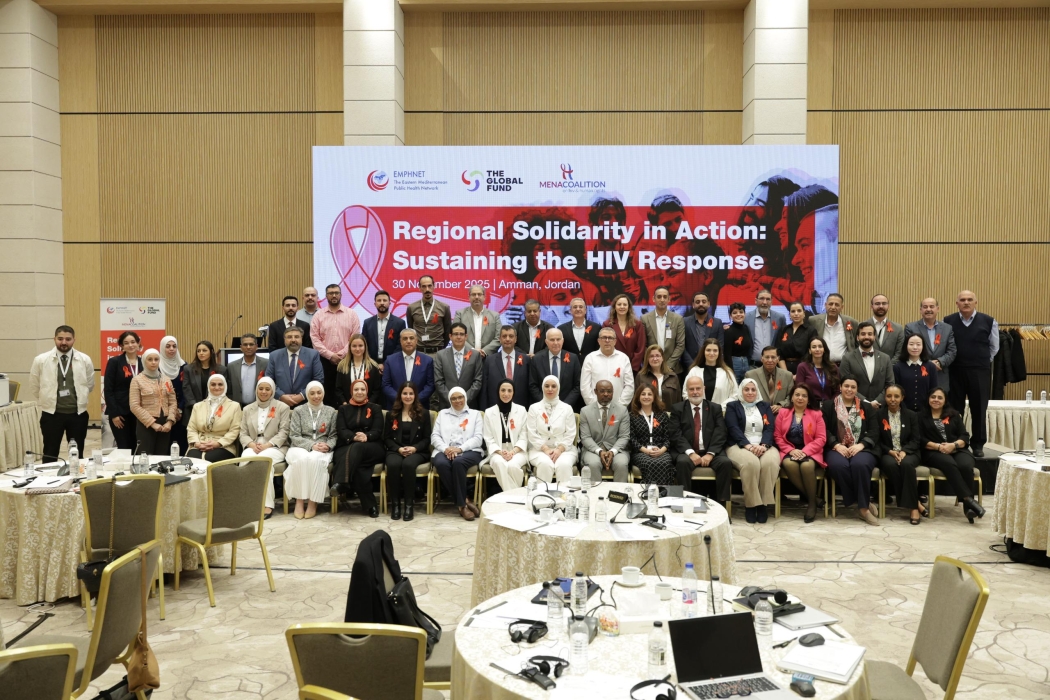
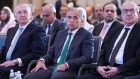
On November 30, representatives from Egypt, Jordan, Lebanon, Morocco, and Tunisia, together with officials from the Jordanian Ministry of Health, represented by Dr. Ayman Maqable, Director of the Epidemiology Department, attending on behalf of H.E. Dr. Ibrahim Al-Badour, Minister of Health, alongside delegates from the Global Fund, the MENA Health Coalition (MENA-H), and the Eastern Mediterranean Public Health Network (EMPHNET), convened in Amman for the event titled "Regional Solidarity in Action: Sustaining the HIV Response.”
The event marked the official launch of the third cycle of the Multi-Country MENA Global Fund HIV Grant, one of the region’s most significant collective efforts to strengthen the response to the Human Immunodeficiency Virus (HIV), the virus that can lead to AIDS if left untreated. It also introduced an important development for the region: EMPHNET has been selected as the regional Principal Recipient (PR), marking the first time an institution from the Middle East and North Africa has assumed this role for a Global Fund grant, an important advancement for regional leadership and ownership.
The launch comes at a critical moment for the Middle East and North Africa (MENA) region. Despite notable global progress, reflected in the latest UNAIDS Global AIDS Update, which reports that 87% of people living with HIV know their status, 89% receive treatment, and 94% of those on treatment achieve viral suppression, the region continues to face rising new infections and widening disparities. Structural barriers, stigma, instability, and funding pressures continue to limit access to essential services, underscoring the need for coordinated regional action.
Hosted by EMPHNET, in partnership with the MENA-H coalition and the Global Fund, the launch brought together national stakeholders, civil society organizations, technical agencies, and regional partners. The event opened with a World AIDS Day solidarity moment, followed by high-level remarks outlining the purpose, priorities, and vision of MCMENA III Grant. Speakers emphasized that regional solidarity, evidence-based programming, and community leadership remain central to maintaining momentum toward global HIV targets.
Spanning 2025–2028, the grant builds on the achievements and lessons of previous cycles and aims to reinforce national HIV programs, strengthen integrated sustainable HIV prevention and care, and expand community-led interventions that uphold dignity, equity, and respect.
A regional panel featuring Sub-Recipient (SR) organizations from the five participating countries showcased national priorities for the new grant and reflected on lessons learned from earlier phases. Participating organizations included Caritas Egypt; Forearms of Change Center/ Sawa3ed (FOCCEC) in Jordan; the Society for Inclusion and Development in Communities and Care for All (SIDC) in Lebanon; the Association to Fight AIDS (ALCS) in Morocco, and the Tunisian Association of Fight against Sexually Transmitted Diseases and AIDS (ATL), and in collaboration with the Middle East and North Africa Harm Reduction Association (MENAHRA), the Middle East and North Africa Rosa (MENA Rosa), and International Migration Organization (IOM - the PR for the MER Grant), among others. Panelists highlighted the importance of strengthening links between HIV services and broader health systems, deepening collaboration among involved stakeholders, and ensuring that community voices and lived experiences guide implementation.
The launch concluded with the signing of a "Commitment to Action” declaration, reaffirming a shared regional resolve to deliver rights-based and inclusive HIV responses across all five countries.
Following the launch, a four-day implementation workshop will bring together Sub-Recipients (SRs), MENA-H, the Global Fund, EMPHNET, and technical partners to finalize Year 1 workplans, align expectations, and strengthen readiness for coordinated, accountable implementation across all five countries. This marks the first operational step in translating the grant’s vision into action.
Dr. Magid Al Gunaid, Deputy Executive Director of EMPHNET, reflected on the significance of the moment, stating:
"The launch of MCMENA III marks a new phase of regional solidarity and shared responsibility. With stronger systems, empowered communities, and sustained partnership, we can protect essential HIV services and move closer to ending AIDS as a public-health threat across the MENA region.”
Representing the Global Fund, Mr. Emmanuel Olatunji, Fund Portfolio Manager, said:
"We are very pleased with the signature of this grant. Global Fund investments will continue to support national priorities and show impact in the region to ensure we reach those in need. We will continue to support HIV and health outcomes by addressing human-right barriers that hinder access to integrated and sustainable HIV services. Overcoming disruption and transforming AIDS response, is now!”
Aligned with World AIDS Day 2025’s theme, "Overcoming Disruption, Transforming the AIDS Response,” the launch of MCMENA III marks a renewed regional commitment to restoring disrupted services, strengthening community-led action, and accelerating progress toward ending AIDS by 2030. As the five participating countries move into implementation, the grant provides a unified, resilient, and inclusive pathway, one that reinforces primary health care, supports community leadership, and advances the rights and dignity of every person affected by HIV across the region.



وكالة نيروز الإخبارية
لا مانع من الاقتباس واعادة النشر شريطة ذكر المصدر { وكالة نيروز الإخبارية } الآراء والتعليقات المنشورة تعبر عن رأي أصحابها فقط. © 2019 - جميع الحقوق محفوظة.
, بريد الكتروني : khalil.aljbour11 [at] gmail.com للإتصال : 0790980000
تصميم و تطوير