





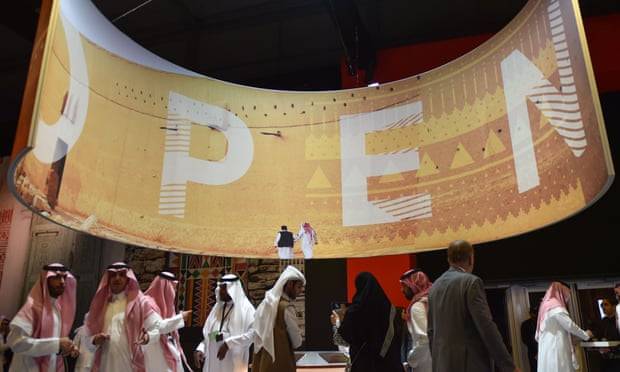
نيروز الإخبارية : Nayrouz Agency: Saudi Arabiahas lifted some restrictions on women traveling in the ultraconservative Muslim kingdom, its tourism authority said, with new guidelines allowing women to rent hotel rooms without a male guardian’s presence, and foreign men and women to share a room without proof of marriage.
The easing of stringent regulations governing social interactions comes after Riyadh launched its first tourist visa scheme, as part of efforts to open up the country to foreign visitors and diversify its oil-reliant economy.
The Saudi Commission for Tourism and National Heritage posted the new requirements on Twitter on Sunday. Women will be allowed to rent hotel rooms with proof of identityor if they have a male guardian present who does have proof of identity.
The move comes amid deep reforms over the past year by the Saudi crown prince,Mohammed bin Salman, who has lifted a ban on cinemas in the kingdom and the world’s only ban on women driving.
Critics say there are limits to the reforms, pointing to last year’s killing of Saudi writerJamal Khashoggiin the Saudi consulate in Istanbul and the reported torture of several detained women’s rights activists.
Saudi Arabia announced the new tourist visa scheme last week, saying it was aiming to increase tourism and hoping to push its contribution to GDP from its current 3% to 10%. For the launch of its new visa, the country was highlighting its five Unesco World Heritage sites, contemporary art sites and natural sites including the Red Sea, desert and mountains.
The one-year, multiple-entry visa scheme allows for stays of up to 90 days at a time and marks the first time the country is allowing foreigners to visit solely for the purpose of tourism. Citizens of 49 eligible countries can apply online or on arrival, while those from other countries will have to apply at their nearest Saudi embassy or consulate.
As part of the drive to attract foreign visitors, the kingdom is easing its strict dress codes for tourist women, requiring shoulders and knees to be covered in public but not demanding they wear the full-body abaya.
Since you’re here...
... we have a small favour to ask. More people are reading and supporting The Guardian’s independent, investigative journalism than ever before. And unlike many new organisations, we have chosen an approach that allows us to keep our journalism accessible to all, regardless of where they live or what they can afford. But we need your ongoing support to keep working as we do.
The Guardian will engage with the most critical issues of our time – from the escalating climate catastrophe to widespread inequality to the influence of big tech on our lives. At a time when factual information is a necessity, we believe that each of us, around the world, deserves access to accurate reporting with integrity at its heart.
Our editorial independence means we set our own agenda and voice our own opinions. Guardian journalism is free from commercial and political bias and not influenced by billionaire owners or shareholders. This means we can give a voice to those less heard, explore where others turn away, and rigorously challenge those in power.
We need your support to keep delivering quality journalism, to maintain our openness and to protect our precious independence. Every reader contribution, big or small, is so valuable.Support The Guardian from as little as €1 – and it only takes a minute. Thank you.


وكالة نيروز الإخبارية
لا مانع من الاقتباس واعادة النشر شريطة ذكر المصدر { وكالة نيروز الإخبارية } الآراء والتعليقات المنشورة تعبر عن رأي أصحابها فقط. © 2019 - جميع الحقوق محفوظة.
, بريد الكتروني : khalil.aljbour11 [at] gmail.com للإتصال : 0790980000
تصميم و تطوير